
Blog
Is Postpartum Real? Its Signs & Solutions Every Mom Should Know

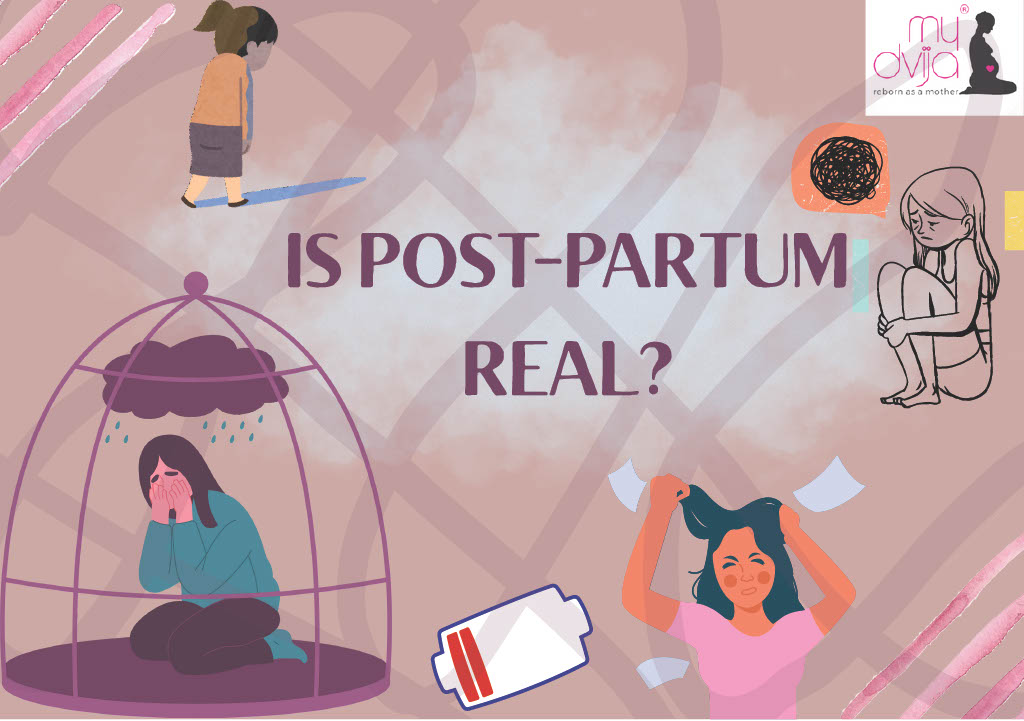
Motherhood is often painted as the most beautiful chapter of a woman’s life. Social media fills our screens with glowing mothers, smiling babies, and perfectly curated nursery corners The silent nighttime tears, the crushing fatigue, or the abrupt mood changes that make a mother feel like she’s “not herself,” however, are seldom visible.
So let’s talk about the topic that many new mothers ask themselves but almost ever ask aloud: Is postpartum depression real? Postpartum is real, no doubt about that. Unquestionably, giving birth causes mental and physical changes that affect millions of women globally. This stage may be turned from a lonely battle into an empowering experience by identifying the warning signals and discovering the appropriate remedies.
Postpartum: What Is It?
Postpartum literally translates to “after birth.” But it’s more than simply a medical term; it refers to the time following giving birth when a mother’s body, mind, and emotions undergo significant changes. Although this era can be incredibly joyful and loving, it can also present difficulties including mood swings, hormonal changes, fatigue, and, in some cases, anxiety or depression.
According to studies, one in seven women suffers from postpartum depression (PPD), and many more experience emotional fluctuations or the transient baby blues. These experiences are the normal outcome of biology, changing hormones, and the life adjustments that come with parenthood; they are not indications of weakness.
Signs of Emotion: -
1) Baby Blues: –
• During the first several weeks, there may be brief mood swings, impatience, and tears.
• Persistent melancholy, remorse, despair, or a sense of separation from the infant and loved ones are symptoms of postpartum depression (PPD).
• Constant concern, racing thoughts, or even panic episodes are examples of anxiety.
2) Physical Indications: –
• A sense of exhaustion that goes well beyond typical fatigue.
• Changes in appetite that are noticeable, such as eating much more or not feeling hungry at all.
• Trouble sleeping—even when the baby sleeps.
• Body aches, headaches, or stomach discomfort without medical cause.
3) Behavioural Indications: –
• Distancing oneself from social events, family, or friends.
• Losing interest in past enjoyable pastimes or pursuits.
• Having trouble connecting with the infant.
• Over checking baby’s safety due to fear or under checking due to numbness.
Why Does Postpartum Happen?
Changes after giving birth are not “just in your head.” Following childbirth, a confluence of physical, hormonal, and social variables leads to their emergence.
I. Hormonal Shifts: Following birth, levels of progesterone and estrogen fall precipitously, which can have an immediate effect on mood and emotional equilibrium.
II. Sleep Deprivation: Taking care of a baby frequently results in interrupted sleep or little rest, leaving mothers exhausted both mentally and physically. Pain, discomfort, and a longer recovery are common after childbirth, whether it was a vaginal delivery or a C-section.
IV. Lifestyle Changes: It can be very taxing to deal with new obligations, the demands of nursing, and the loss of personal time.
V. Social Pressure: Feelings of inadequacy and self-doubt can be triggered by frequent comparisons to “perfect moms” in society or online.
How Long Does Postpartum Last?
Many assume postpartum recovery is complete after the six-week check-up with a doctor. In truth, recovery is much broader. A number of months or perhaps a year may pass during the postpartum period. The body may start to heal in a few weeks, but it frequently takes considerably longer for emotional and mental recovery, particularly if there is postpartum depression or anxiety.
How Long Does Postpartum Last?
Many assume postpartum recovery is complete after the six-week check-up with a doctor. In truth, recovery is much broader. A number of months or perhaps a year may pass during the postpartum period. The body may start to heal in a few weeks, but it frequently takes considerably longer for emotional and mental recovery, particularly if there is postpartum depression or anxiety.
Coping Mechanisms & Solutions for New Mothers:
The good news is that with the correct care and support, postpartum difficulties may be handled. Although each mother’s healing journey is unique, the following techniques can significantly impact the process:
1. Look for Expert Assistance: –
It’s critical to get help if depressive, hopeless, or anxious symptoms persist for longer than two weeks. The appropriate advice can be given by a physician, therapist, or counsellor. As a legitimate medical illness, postpartum depression can be treated with counselling, support groups, or, in certain situations, medication.
2. Discuss It: –
Being honest about her feelings is one of the bravest things a mother can do.Sharing with a partner, family member, or friend can lift a huge weight. Postpartum thrives in silence—breaking it is healing.
3. Rest Whenever Possible: –
Yes, easier said than done. Even brief moments of rest—like napping when the baby sleeps or handing off small tasks to someone else—can make a noticeable difference. Sleep truly acts as healing medicine for both the brain and the body.
4. Consume Nutritious Foods: –
To recuperate and maintain energy, a postpartum body requires the right fuel. Consuming foods high in iron, protein, omega-3 fatty acids, and whole grains promotes emotional equilibrium and strength restoration. It’s equally important to stay hydrated, particularly for nursing mothers.
5. Mild Motion: –
Postpartum yoga, gentle stretching, or a little stroll all aid in the release of endorphins, which are organic mood enhancers. The goal of movement is to feel good again, not to “get your body back.”
6. Then to Seek Assistance Immediately: –
There are certain signs that should never be ignored and that call for prompt medical attention:
• Thinking about harming your child or yourself.
• Finding it difficult to complete daily tasks.
• Having high amounts of anxiety or panic that don’t go away.
• A feeling of emotional detachment, emptiness, or numbness.
• Recall that seeking help is not a sign of failure but rather of courage and self- care.
7. Create a Support System: –
Motherhood was never meant to be a solo pursuit. It can be incredibly relieving to rely on friends, relatives, or even online mom forums. Accepting assistance, whether it be with meal preparation, baby care, or housework, is not weakness but wisdom.
8. Lessen the Stress Caused by social media: –
It might be unpleasant and impractical to look at idealized depictions of parenthood. Remember that everything you see on the internet is merely a summary. Give yourself grace, acknowledge your small victories, and focus on your personal journey during this time.
9. Work on Your Self-Compassion: –
Feeling depressed, exhausted, or uncertain is normal. There is no manual for becominga mother; you learn as you go. Show yourself the same patience and kindness that you so naturally give to your baby.
Postpartum Is Real—And You Are Not Alone:
Every mother’s postpartum journey is unique. Some may experience baby blues that pass in a week, while others face postpartum depression for months. Many live through ups and downs in between Knowing that postpartum is real, legitimate, and treatable is what really counts. Being a mother is about connecting with others, not about being flawless. Moms can regain happiness, strength, and confidence as they welcome this new phase of life by identifying the symptoms, looking for answers, and asking for help.
Here at MyDvija we are offering courses for New mom’s Physical, Mental Health & overall wellbeing’s you can check out these Courses by clicking here.
Final Words for Every Mom:
If you’re reading this and wondering whether what you’re feeling is normal, take this as your gentle reminder: You are not broken, you are not weak, and you are not alone Postpartum difficulties are just one component of your motherhood journey; they do not define you If you receive the right care, healing, and self-compassion throughout the postpartum period, you will not only survive but also grow stronger and thrive.
To check out our products for new moms and babies click here.