

Blog
Bullying – Signs Your Child Won’t Tell You Directly

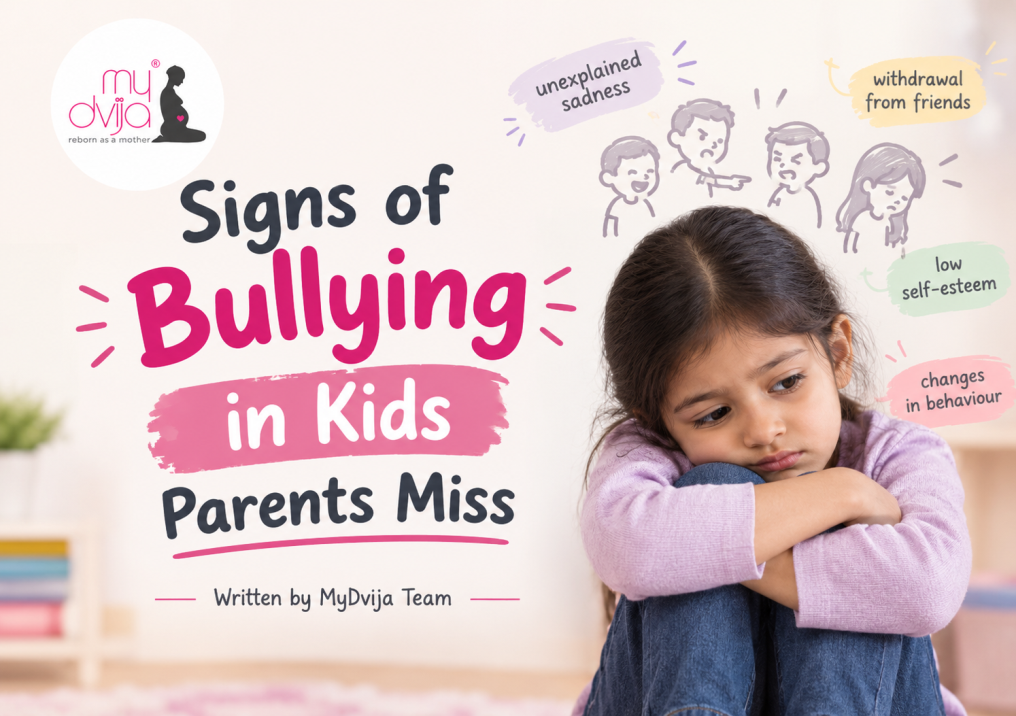
Bullying – Signs Your Child Won’t Tell You Directly
My niece started saying her stomach hurt every single school morning, for almost a month, before anyone figured out why.
No fever. No other symptoms. Just a nine-year-old who suddenly hated Monday mornings and had never hated them before. Her mother took her to the doctor twice. It wasn’t until a teacher mentioned, almost in passing, that a group of girls had stopped including her at lunch, that the stomach aches finally made sense.
Most children don’t announce that they’re being bullied. They show it sideways – through their stomach, their sleep, their sudden reluctance to go somewhere they used to like. Here’s what that sideways version actually looks like.
Why Kids Rarely Say It Directly: –
- Shame – many children believe being targeted is somehow their own fault, and hide it to avoid feeling more embarrassed.
- Fear that telling an adult will make things worse, not better, especially if a previous attempt to get help didn’t go well.
- Not having the words yet, particularly in younger children who feel that something is wrong without being able to name it clearly.
- Wanting to protect you – some children sense a parent’s own stress and don’t want to add to it.
WATCH: Shrreya Shah on Talking to Kids About Bullying
Signs That Show Up in the Body: –
- Frequent headaches or stomach aches with no clear medical cause, especially on school mornings.
- Changes in appetite – eating much more or much less than usual.
- Trouble falling asleep, nightmares, or a sudden return of bedwetting in a child who’d outgrown it.
- Unexplained bruises, damaged belongings, or a story about lost items that doesn’t quite add up.
Signs That Show Up in Behaviour: –
- Reluctance or outright refusal to go to school, especially if this is new.
- Avoiding the school bus, specific routes, or arriving unusually early or late to avoid certain times.
- Declining grades or sudden lack of interest in schoolwork they used to care about.
- Withdrawal from friends, or a formerly social child suddenly avoiding group activities.
- Increased irritability, sadness, or anger that seems to come from nowhere, particularly around school-related topics.
- Asking unusual questions about how to make friends, or expressing that they have “no one” at school.
Signs Specific to Cyberbullying: –
- Appearing upset, anxious, or withdrawn after using their phone or a device.
- Suddenly avoiding a device or app they used to check constantly.
- Being secretive about online activity in a way that feels different from normal privacy.
- A drop in mood that seems to track closely with phone or social media use.
How to Open the Conversation: –
- Ask specific, low-pressure questions rather than a direct “are you being bullied” – “who did you sit with at lunch today” often gets further than a yes-or-no question.
- Pick a low-stakes moment – in the car, during a walk, side by side rather than face to face – rather than a formal sit-down conversation.
- Stay calm even if what you hear is upsetting. A big emotional reaction from you can make a child regret telling you at all.
- Thank them for telling you, specifically and out loud – this makes it more likely they’ll come to you again next time.
- Ask what they want to happen next before deciding what to do – involving them in the plan matters, even if you ultimately need to act regardless.
When and How to Involve the School: –
If bullying is confirmed or strongly suspected, most schools have a process for this, even if it isn’t advertised. Document specific incidents with dates where possible, request a private conversation with a teacher or counsellor rather than raising it publicly, and follow up in writing after any verbal conversation so there’s a clear record. If the school’s response feels inadequate, escalating to the principal or management is a reasonable next step, not an overreaction.
Quick Reference: –
- Physical signs: stomach aches, headaches, sleep changes, appetite changes
- Behavioural signs: school reluctance, withdrawal, declining grades, mood changes
- Digital signs: distress after device use, sudden app avoidance, secretive online behaviour
- Best opener: specific, low-pressure questions in a low-stakes moment, not a direct interrogation
Support Beyond the Blog Post: –
MyDvija’s Advance Gurukul — A Step to Make Child Life Ready (3yr–9yr) includes a dedicated session on stress, school pressures, and social presence, built specifically for navigating challenges like this one.
If you’d like to talk through your specific situation, a 30-minute consultation with Shrreya Shah is a good place to start.
Also Worth Reading: –
- How Much Screen Time Is Too Much for School-Age Kids?
- Let’s Talk Toddler Tantrums — Handling Tantrums Like a Pro
- Supplements for Kids (4–12 Years): What They Really Need
My niece is in middle school now, with a genuinely good friend group. The stomach aches stopped the week the school moved her seating.
She never once said the word “bullying” out loud that whole month. Her stomach said it for her, and that turned out to be enough.