
Blog
“Essential Supplements for Mothers A Complete Guide to Pregnancy, Breastfeeding & Postpartum Nutrition”

“Essential Supplements for Mothers A Complete Guide to Pregnancy, Breastfeeding & Postpartum Nutrition”
To be honest, being a mother is both amazing and really difficult. In the midst of restless nights, frequent feedings, and making sure your child has all they need, it’s
easy to forget about your own nutritional needs. But selfishness is not the same as self-care. It’s essential.
Whether you’re expecting, nursing, or chasing after toddlers, your body needs extra support. I’ve put together this guide to help you understand which supplements
actually matter and why they’re worth considering.
Why Can’t We Just Get Everything from Food?
You might be wondering if supplements are really necessary if you’re eating well. It’s a fair question. The reality is that pregnancy, childbirth, and breastfeeding put your body through a lot. You’re literally building another human being, and later, you’re their sole source of nutrition if you’re breastfeeding. Even women who eat incredibly healthy diets sometimes struggle to get enough of certain nutrients. Your needs are just that much higher right now. Think of supplements as backup support for those times when kale salad and salmon just aren’t cutting it.
What You Need During Pregnancy?
1. Start with a Good Prenatal Vitamin: –
This should be your first step. A quality prenatal vitamin acts like nutritional insurance—it covers your bases when your diet falls short. Don’t just grab the cheapest bottle on the shelf, though. Look for one that includes folic acid, iron calcium, and vitamin D at minimum. Your doctor can recommend specific brands you’re unsure.
2. Folic Acid Is Non-Negotiable: –
Here’s something important: folic acid needs to be part of your routine before you even get pregnant if possible. This B vitamin prevents serious birth defects affecting
the brain and spinal cord. The catch? Your baby’s neural tube forms in the first few weeks of pregnancy—often before you realize you’re expecting. That’s why doctors tell all women who might get pregnant to take 400-800 micrograms daily. If you’re planning to conceive, start now. If you’re already pregnant, don’t stress—just start taking it right away.
3. Iron Keeps You (and Baby) Strong: –
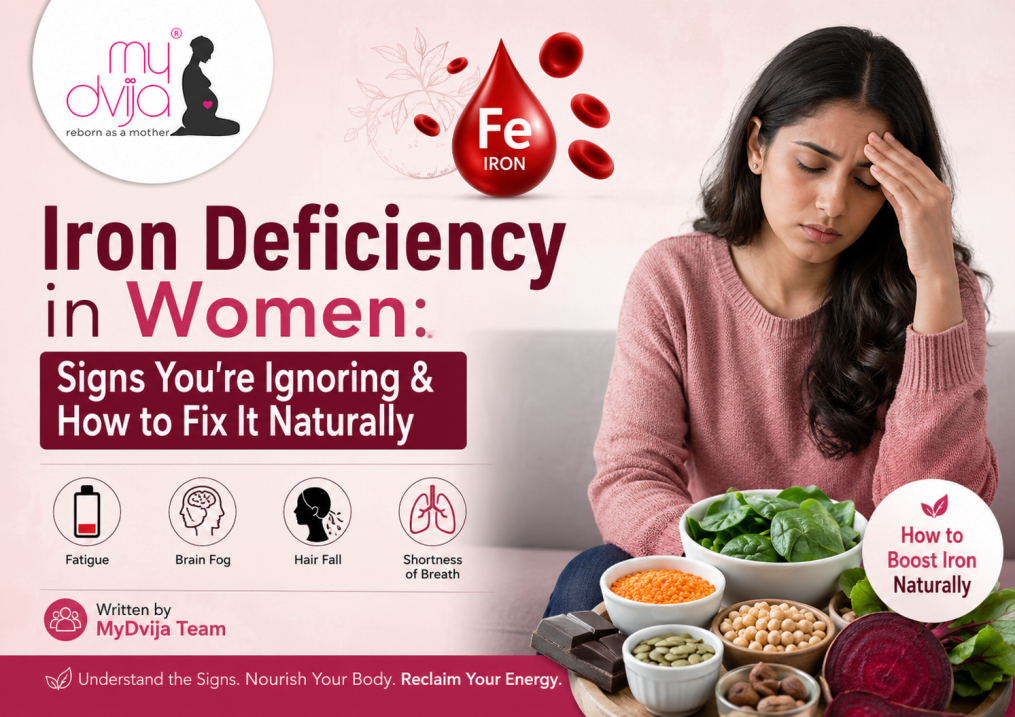
Remember how tired you felt in your first trimester? Iron deficiency might have made it worse. Your blood volume jumps by almost 50% during pregnancy, which means you need way more iron than usual—around 27 milligrams per day. Low iron can leave you feeling wiped out, weak, and more prone to getting sick. It can also affect your baby’s growth. If your doctor finds you’re anaemic, they’ll probably prescribe an even higher dose. Pro tip: take iron with orange juice (the vitamin C helps absorption) and avoid taking it with coffee or tea.
4. Don’t Forget Vitamin D: –
Unless you’re spending significant time in the sun every day (and let’s face it, who is?), you probably need vitamin D. This vitamin does a lot—it helps your body absorb
calcium, keeps your immune system running smoothly, and may even lower your risk of certain pregnancy complications. Women with darker skin, those living in cloudy climates, or anyone who works indoors most of the day are especially likely to be deficient. Shoot for 600-1,000 IU daily, though your doctor might suggest more if your levels are low.
5. Omega-3s for Baby’s Brain: –
DHA—a type of omega-3 fatty acid—is basically brain food for your developing baby. It’s especially crucial during the third trimester when your baby’s brain is growing like crazy. You’ll want about 200-300 milligrams daily. Worried about mercury in fish? Purified fish oil supplements are safe. Vegetarian? Algae-based DHA supplements work just as well.
What Nursing Mothers Need?
1. Keep Those Prenatal Vitamins Going: –
Just because you’ve given birth doesn’t mean you’re off the hook nutritionally. Breastfeeding actually requires more calories and nutrients than pregnancy did. Many moms stick with their prenatal vitamins, while others switch to postnatal formulas made specifically for nursing.
2. Vitamin D Matters Even More Now: –
Here’s something that surprises a lot of new moms: breast milk doesn’t contain much vitamin D, no matter how good your diet is. Taking 1,000-2,000 IU daily helps keep your own levels up and passes a bit to your baby. Most paediatricians will also recommend vitamin D drops for your baby directly, especially if you’re exclusively breastfeeding.
3. Keep Up with Omega-3s: –
Your baby’s brain doesn’t stop developing after birth—far from it. Continue taking DHA while you’re nursing. Those omega-3s pass through your breast milk and keep supporting your little one’s brain and eye development.
4. B12 Is Critical for Plant-Based Eaters: –
If you’re vegetarian or vegan, listen up: B12 supplementation isn’t optional. A deficiency can cause serious problems with your baby’s nervous system development. Even if you occasionally eat meat or dairy, you might still be low on B12. It’s more common than you’d think, so consider getting your levels checked.
Supplements Every Mom Should Consider
1.Calcium Protects Your Bones: –
Your body will pull calcium from your bones to give your baby what they need. If you’re nursing multiple kids or breastfeeding for a long time, this can really add up. Aim for 1,000 milligrams daily through a combination of dairy, leafy greens, and supplements if needed. Calcium is involved in blood clotting, muscular contractions, and neuron function in addition to strengthening bones.
2.Probiotics for General Health: –
Probiotic research is still expanding, but first results are encouraging. They appear to strengthen immunity, aid with digestion, and may even elevate your mood. They may reduce the risk of several pregnancy problems, according to some research. Additionally, if you’re nursing, you’ll give your infant good bacteria, which helps build
gut health right away.
3.Magnesium Helps You Relax: –
Between pregnancy insomnia and newborn sleep deprivation, you need all the help you can get in the relaxation department. Magnesium supports better sleep, helps your muscles relax, and can ease those painful leg cramps that often come with pregnancy. Many women don’t get enough magnesium from their diets, so supplementation makes sense. It can also help with postpartum recovery.
4. Before You Start Taking Anything: –
Please talk to your doctor first. I can’t stress this enough. Your specific needs depend on tons of factors—your diet, medical history, current medications, and whether you
have any nutrient deficiencies. Some supplements don’t play nice with certain medications. Others might not be safe if you have particular health conditions. A quick conversation with your healthcare provider can save you a lot of trouble. Also, remember that supplements are meant to fill gaps, not replace actual food. Keep eating a varied diet full of fruits, vegetables, whole grains, lean proteins, and healthy fats. Real food contains hundreds of beneficial compounds that you just can’t get from a pill. One more thing: resist the urge to mega-dose. Taking way more than the recommended amount won’t make you healthier—in fact, it could be dangerous for you and your baby. Pay close attention to the dosages listed on the label unless your doctor tells you otherwise.
Final Thoughts: –
Being a mother is one of the most physically taxing responsibilities you will ever play. Simple, regular self-care will be far more beneficial to you and your kids than
pushing yourself out of pride or striving for perfection. Knowing which foods and nutrients are critical during pregnancy, lactation, and the postpartum period will mak
you feel stronger and more balanced. Taking care of your body is the first step towards being at your best for your kids.