
Blog
Understanding Infant Milestones: Your Baby’s First Year of Growth

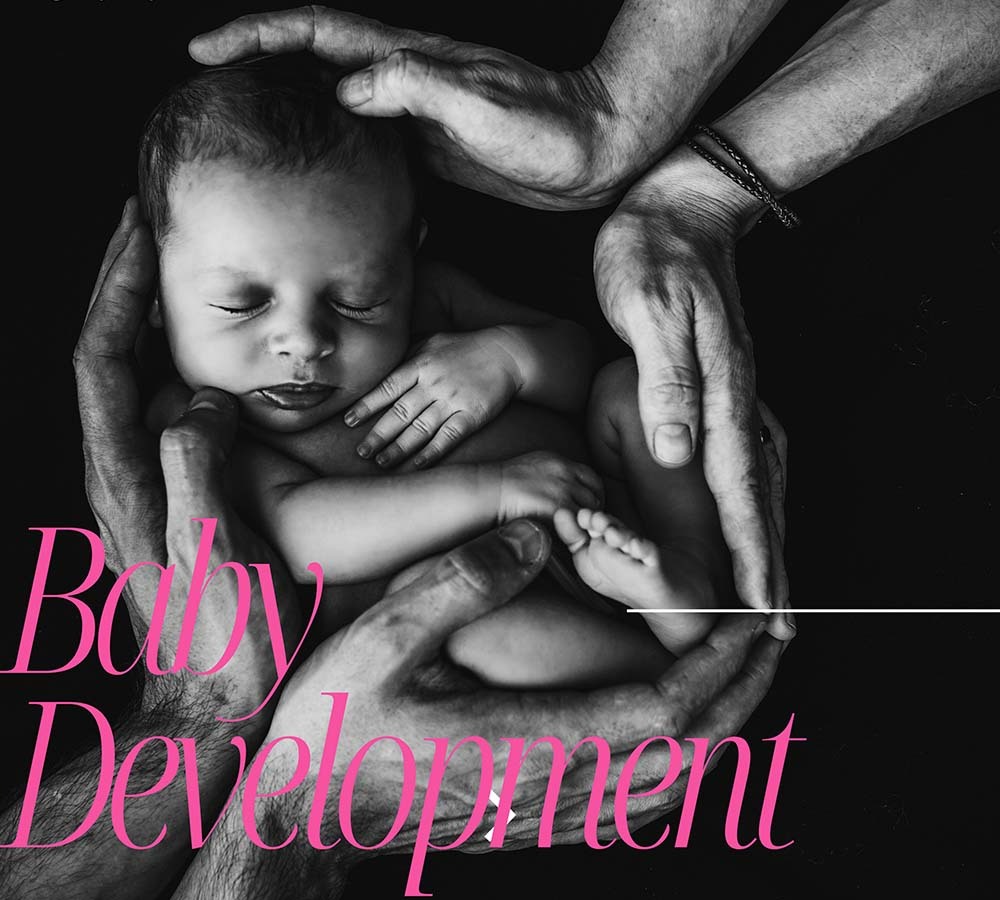
It is a magical experience to watch your baby grow in their first year. It is a whirlwind of growth, cuddles, discovery, giggles and development. One day they’re a tiny newborn, and before you know it, they are babbling, crawling, and maybe even taking their first steps. This phase is filled with significant milestones that mark cognitive, social, emotional, and physical development achievements. With so many changes, it is natural to wonder what to expect, as understanding these milestones can help you support your little one’s growth and make sure they reach their full potential.
Let us explore your little munchkin’s first year of milestones and ways to encourage your baby’s progress.
MONTH 1-2: WELCOME TO THE WORLD!

Even in this early newborn phase, your newborn is learning fast.
What to expect
● Reflexes Galore: Babies are born with reflexes such as rooting reflex for feeding and startle reflex (Moro).
● Holding Head Steady: Baby can hold the head steady while on stomach, this step helps to develop neck muscles, leading to sitting up.
● Fuzzy Vision: newborns can focus on your face while feeding, about 8-12 inches away.
● Face Recognition: A sign of cognitive development is for babies to start recognizing
familiar faces.
● First Social Smiles: The first intentional smile is around 6 weeks, a social development cue.
How You Can Help
● Make exaggerated facial expressions, sing, and talk to encourage focus and bonding.
● To build security and trust, respond to their cries ASAP.
● Perform skin-to-skin contact often.
MONTH 3-4: THE MINI EXPLORER EMERGES
What to expect
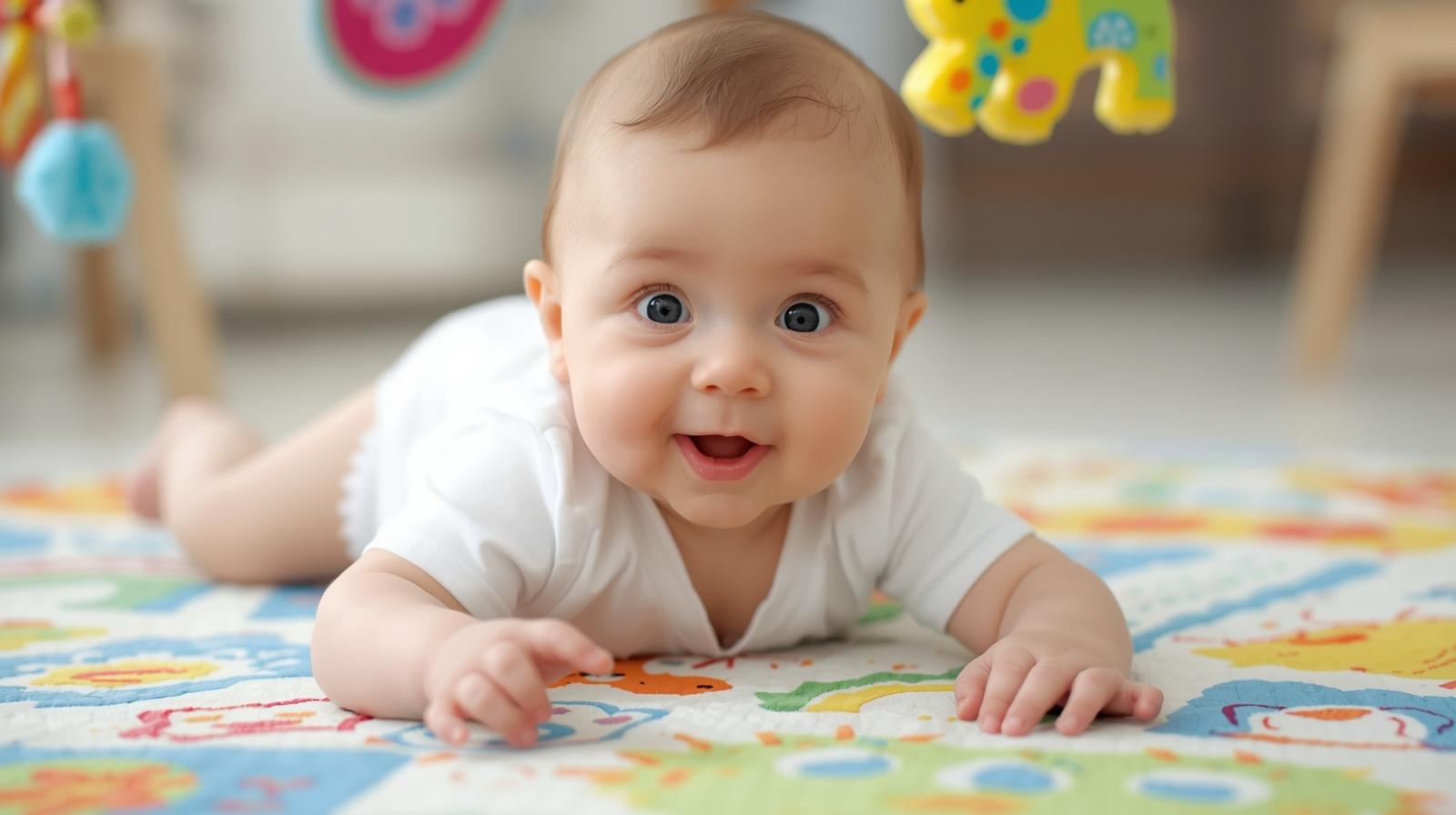
● Strong neck control: Baby can hold their head up better, kudos to tummy time.
● Cooing and Babbling: This phase is the beginning of language development, their way of chatting with you. Babies make adorable sounds that closely resemble either consonants or vowels.
● Hand discovery: they’ll find their hands fascinating and start grabbing objects around.
How you can help
● Daily tummy time
● Play with rattles and soft toys for your little ones to grab
● When they coo, engage with them. Go back and forth with their cooing.
MONTH 5-6: TIME FOR SOME ACTION!

What to expect
● Rolling over: A significant milestone. Babies roll from tummy to back, and later from back to tummy. This shows the baby’s growth and strength coordination.
● Stranger Awareness: React cautiously to new faces and prefer familiar faces
● First Bite: Some babies show signs of readiness for solids like showing interest in food and sitting with support.
How you can help
● To ease stranger anxiety, slowly and steadily introduce them to new faces
● To practice rolling, provide a safe space
● If starting solids, start with soft, mashed foods in tiny amounts
MONTH 7-8: ON THE MOVE!
What to expect
● Sitting up: Babies can sit without support. This milestone is crucial for physical
development, like crawling and standing.
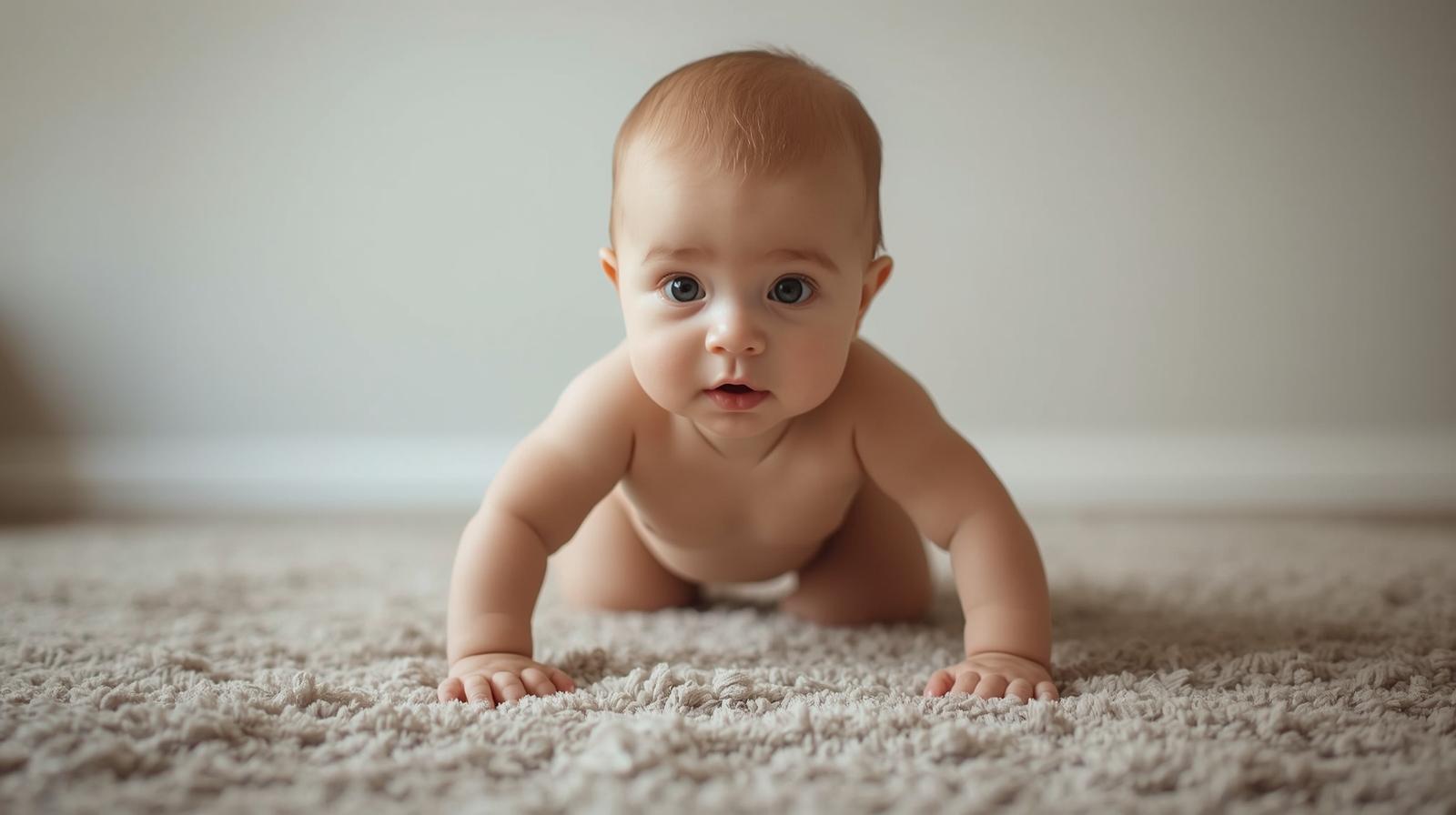
● Crawling (Maybe): Some babies start to crawl while others scoot or roll around.
● Pincer Grasp Develops: starts picking up tiny objects using their thumb and index finger.
How you can help
● Encourage loads of floor time
● Exposure to different textured toys to promote grasping skills
● As everything goes inside the mouth, keep tiny items and toys away.
MONTH 9-10: LITTLE COMMUNICATION IN ACTION
What to expect
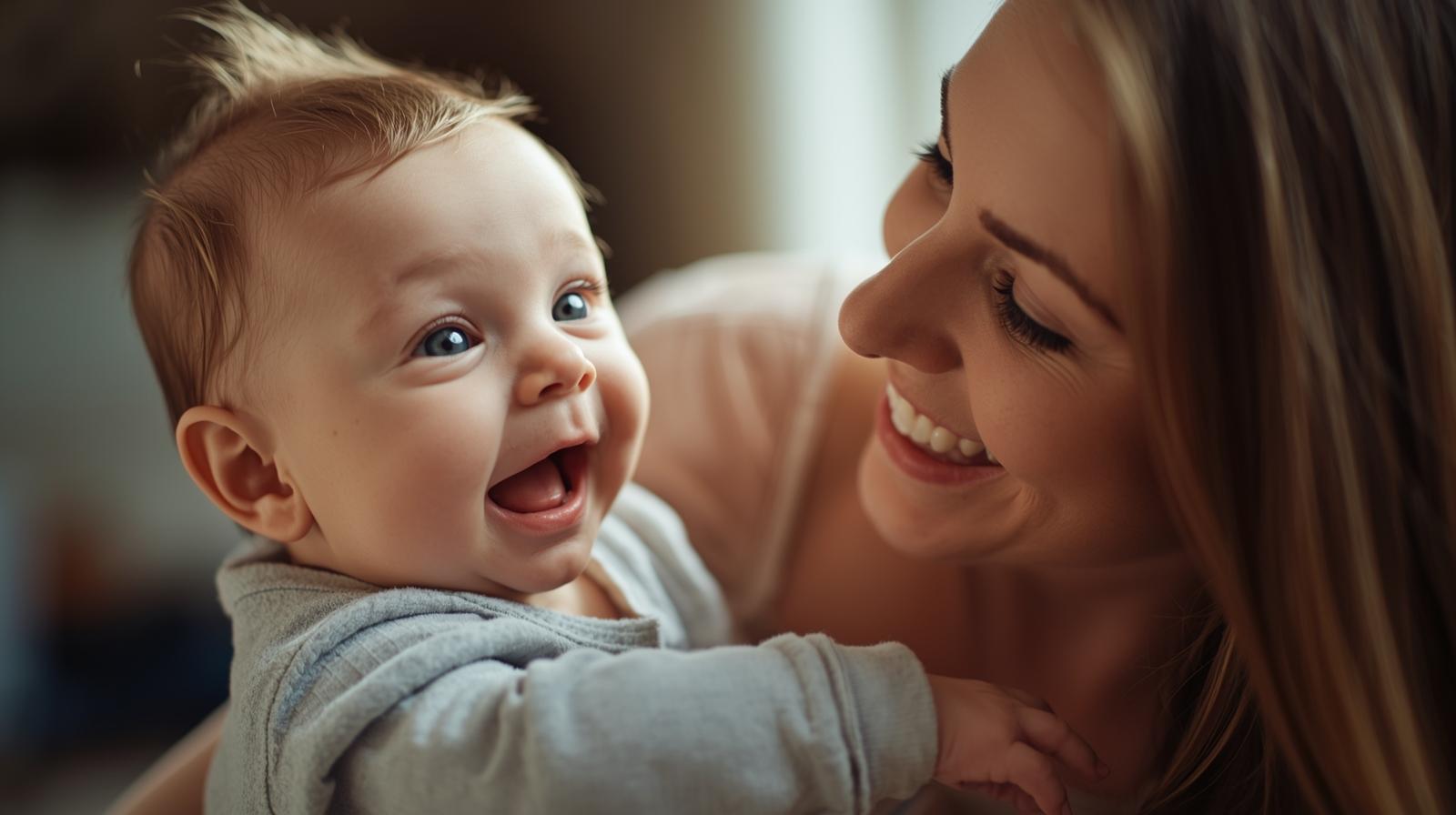
- Waving and clapping: Reacts and responds to gestures like bye-bye and claps
- First words (Maybe): Simple words like “mama” or “dada” might emerge.
- Standing with support: Pulling themselves on the furniture
- Responds to emotions: Recognize and respond to emotions such as happiness or sadness in others
How you can help
● During playtime, encourage waving and clapping
● Sturdy furniture or push toys to practice standing
● Frequent reading of books to enhance language skills
MONTH 11-12: ALMOST A TODDLER!
What to expect
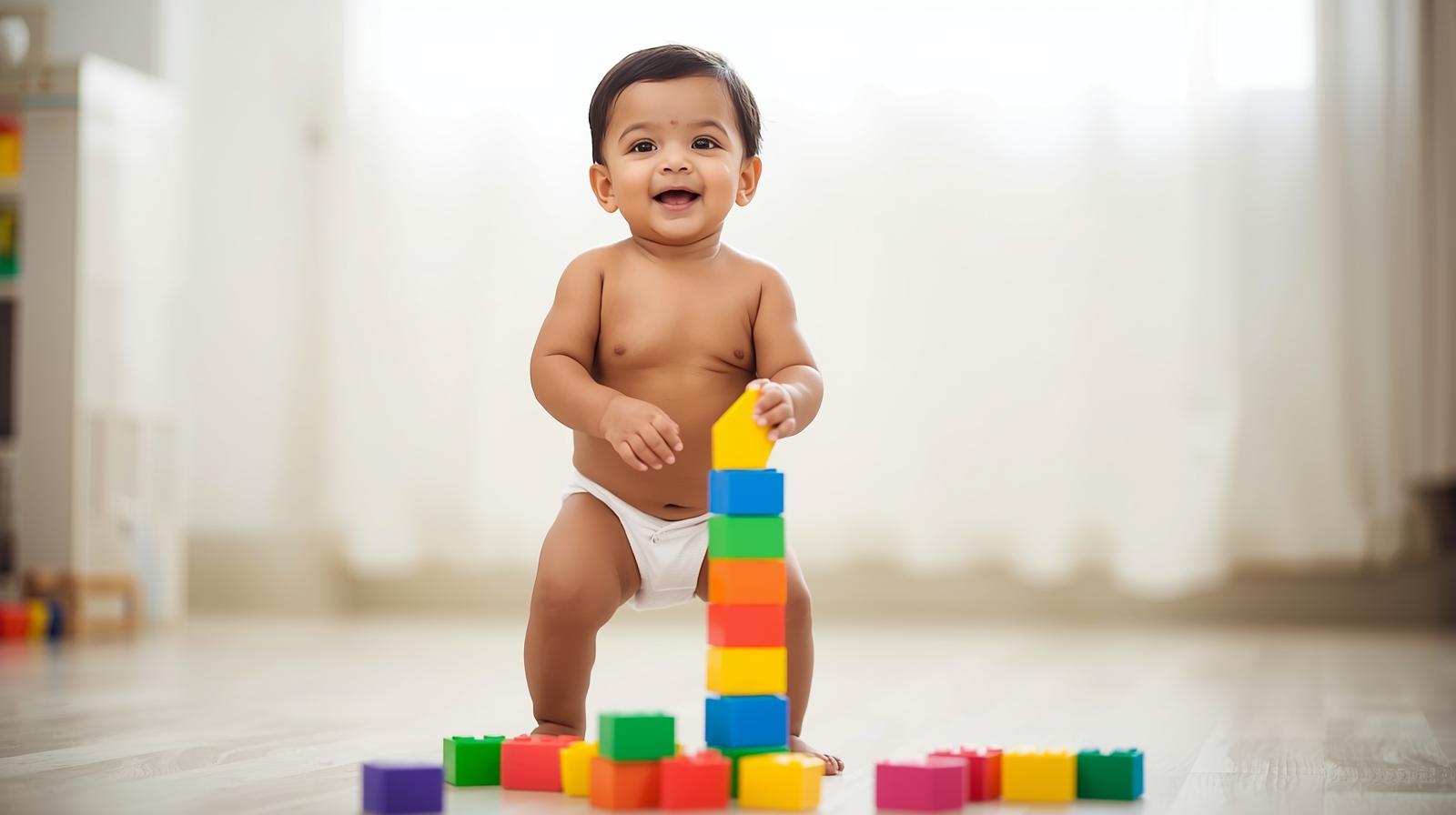
- First steps (Maybe) : Some babies take their first step without any support, a momentousmilestone.
- Object permanence : understand that objects continue to exist even when out of sight.
- This is demonstrated by babies as they search of hidden toys.
- Increased independence: desire and strong opinions to do things on their own Problem-solving: babies are able to retrieve toy when it is out of reach, also understand cause and effect such as shaking a toy to make noise.
How can you help
● Offer finger foods to support independent eating
● Celebrate their achievements with enthusiasm
●Hold their hands to encourage stepping practice.
First year of life is filled with beautifu milestones that marks significant development of your little ones. While these milestone are typical , every baby is unique and develops at their own pace. Celebrate their individual journey and focus on progress. By understanding these milestone, you as parents can support and encourage your baby to thrive. Enjoy every moment in this remarkable journey of growth and discovery.