
Blog
Beyond Biology: An In-Depth, Human Perspective on Women’s Sexual and Reproductive Health

When discussing sexual or reproductive health, it’s simple to visualise clinic charts or textbook medical terminology. However, these are real experiences rather than abstract concepts for women. They appear in our daily decisions, in the silence we maintain with ourselves, and in the talks, we have with friends. From the first period to the last menstrual cycle, reproductive and sexual health isn’t just about “everything working as it should.” It’s about dignity, understanding, and having the freedom to make decisions without shame.
Why This Conversation Matters: -
Growing up, I remember one classmate who got her period at school and cried in the bathroom, not from pain, but from sheer embarrassment. We were twelve. No one had told it to her properly. I can still clearly remember that moment: how a simple biological procedure may become embarrassing due to a lack of open communication. one of the gynaecologists, put it well:
“We spend years teaching girls to hide their periods and then expect them to openly discuss reproductive health with doctors as adults. It doesn’t work like that.”
Understanding Reproductive Health Across Life Stages
Adolescence: More Than Just “The Talk”: –
For many, the journey starts with menarche—the first period. While it’s a milestone, it can also be overwhelming without guidance. Menstrual education should go beyond cleaning products and cover:
• Understanding what’s normal for your body
• When pain might be a sign of something like endometriosis
• How hormonal changes can affect mood and focus
One 17-year-old I spoke, she shared:
“I thought everyone had cramps so bad they couldn’t stand. When I finally told my doctor, she diagnosed me with endometriosis. I wish I’d spoken up years earlier.”
Reproductive Years: Autonomy and Choice: –
Adulthood brings new decisions—whether to have children, when, or not at all.
Access to contraception and accurate information becomes vital. But so does
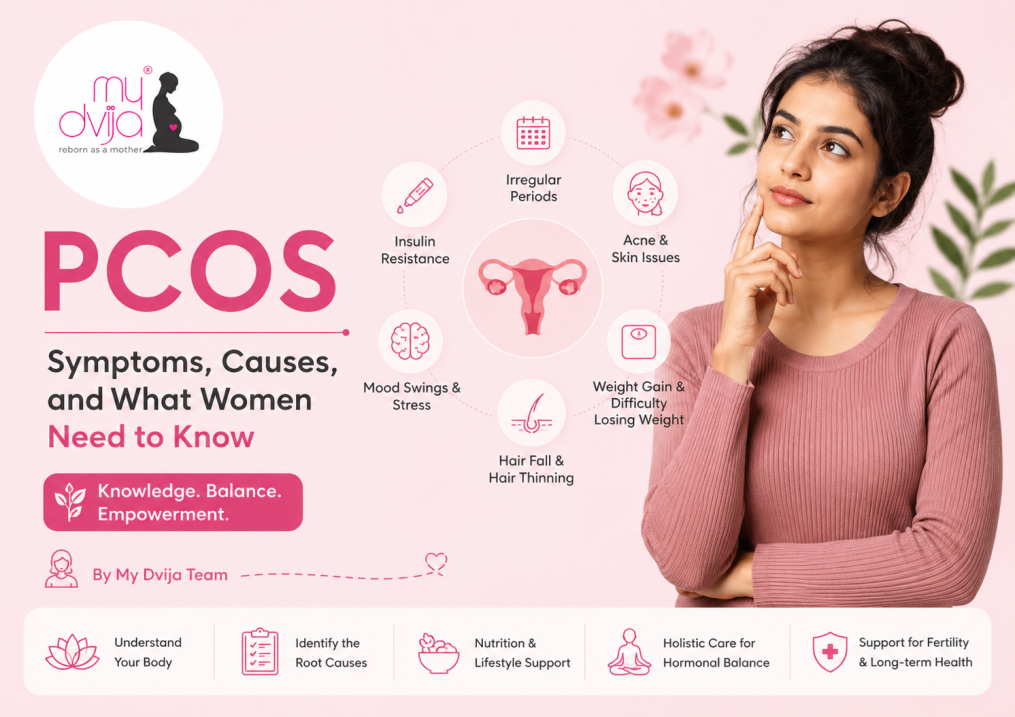
respectful care when facing conditions like PCOS, fibroids, or infertility.I met a woman during a community health workshop who’d been trying for a
baby for six years. She told me:
“Every time I saw a new doctor, they asked if I was stressed. As if stress were the only explanation. It took a decade to finally get a proper diagnosis.” Her story isn’t rare—medical dismissal can delay treatment and erode trust.
Pregnancy and Postpartum: Health for Two (or more): –
Pregnancy changes more than just your body—it shifts your sense of identity, relationships, and priorities. Good prenatal care, nutrition, and a safe delivery environment are critical, but postpartum care is just as important. A new mother I spoke to last year, described feeling “invisible” after giving birth:
“Everybody wanted to know about the baby. No one really asked how I was doing—either in my body or in my mind. Before I heard about postpartum depression, I just thought it was my fault for feeling so far away from myself.
Menopause and Perimenopause: The Quiet Period
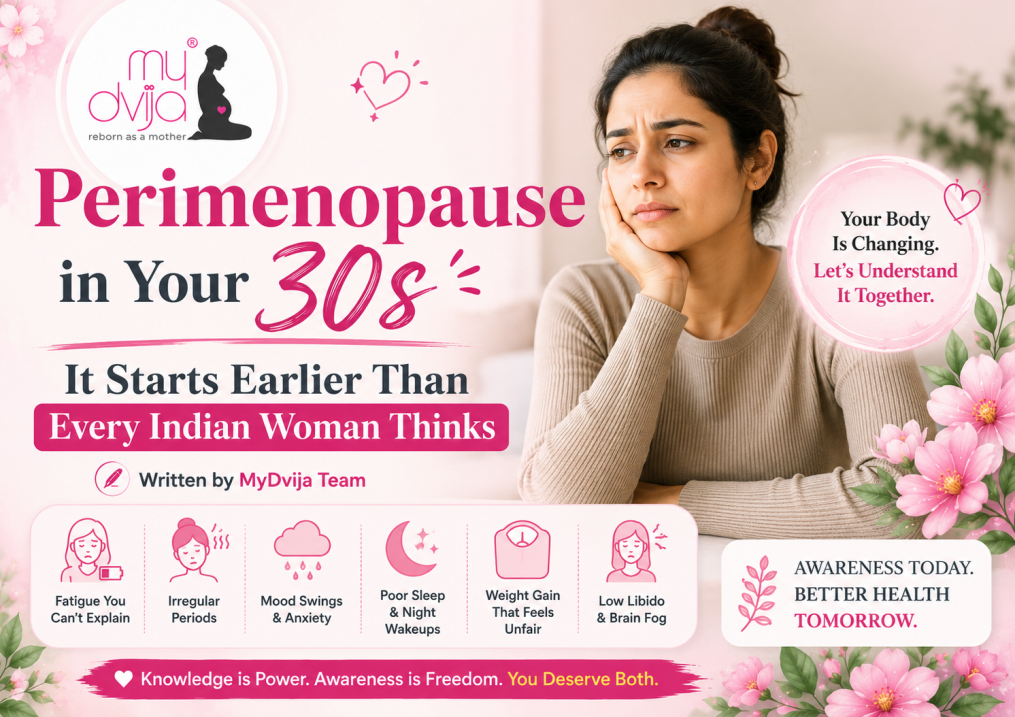
Even while perimenopause and menopause provide their own set of difficulties, including irregular periods, hot flashes, bone changes, and changes in sexual health, discussions regarding reproductive health tend to wane around midlife. one of a menopause specialist I had discussed, says: “We should treat menopause like we treat puberty—a natural but profound change that deserves information, empathy, and support.”
Sexual Health: Beyond the Basics: –
Sexual health isn’t just about preventing infections. It’s about having fun, talking, and feeling secure in private settings. For many women, cultural stigma makes these topics difficult to discuss even with healthcare providers.
I once interviewed a 29-year-old woman who had been living with pain during sex for years. “I thought that’s just how it was supposed to be,” she admitted. It wasn’t until I mentioned pelvic floor therapy that she realized—maybe it didn’t have to hurt at all.Stories like hers are why sexual health education should include anatomy, consent, and the right to seek help without judgment.
Obstacles Women Continue to Face: -
For many women, getting the sexual and reproductive care they need is not as simple as booking an appointment. There are hurdles—sometimes small but constant, sometimes huge—that stand in the way. Cost can feel like a locked gate. Fertility treatments, safe contraception, and even basic screenings can be priced far out of reach for someone already balancing rent, food, and family needs. Location plays its part too. In rural areas, there may be no specialist for hundreds of kilometres. That means a simple check-up can turn into an all-day journey—time, money, and energy that many just don’t have. Then there’s stigma.
In some communities, even mentioning reproductive health is considered shameful. Women may be taught to “keep such matters private,” which often means suffering in silence. And misinformation spreads like wildfire, especially online—quick, catchy myths that are easier to find than accurate advice.
When race, disability, or sexual orientation enters the picture, the walls grow higher. Bias—whether subtle or blatant—can leave women feeling unseen,unheard, and unwelcome in spaces that are meant to care for them.
What Needs to Change: -
If we truly want progress, it can’t be half-hearted.
• Education must start early, grounded in truth rather than fear or shame.
• Healthcare access isn’t just about having a building with a “clinic” sign in the neighbourhood. It’s about what happens when a woman walks through those doors — being listened to, believed, and treated like her concerns matter as much as anyone else’s.
• We also need to break the silence that still clings to so many conversations. Periods, sexual pleasure, and aging shouldn’t be whispered about as though they’re shameful secrets. They’re simply parts of life, and speaking about them openly is a kind of healing in itself.
• And research—it can’t just focus on a narrow slice of the population. It has to include women of all ages, races, identities, and life situations. Because only then will treatments and advice reflect the reality of women’s lives, not just a fraction of them.
The Emotional Side of Health: -
A Final, Personal Note: –
If you’ve been ignoring a symptom, putting off a check-up, or holding back a question because you’re afraid of the answer — consider this your permission to speak up. Your health is not a luxury. Your voice matters. Because reproductive and sexual health isn’t only about organs and hormones. It’s about the right to live fully in your body, without apology. And when
women have that right, the whole world benefits.