
Blog
Postpartum Diet Tips & Women’s Fitness Myths: A Realistic Guide to Food, Training, and Recovery

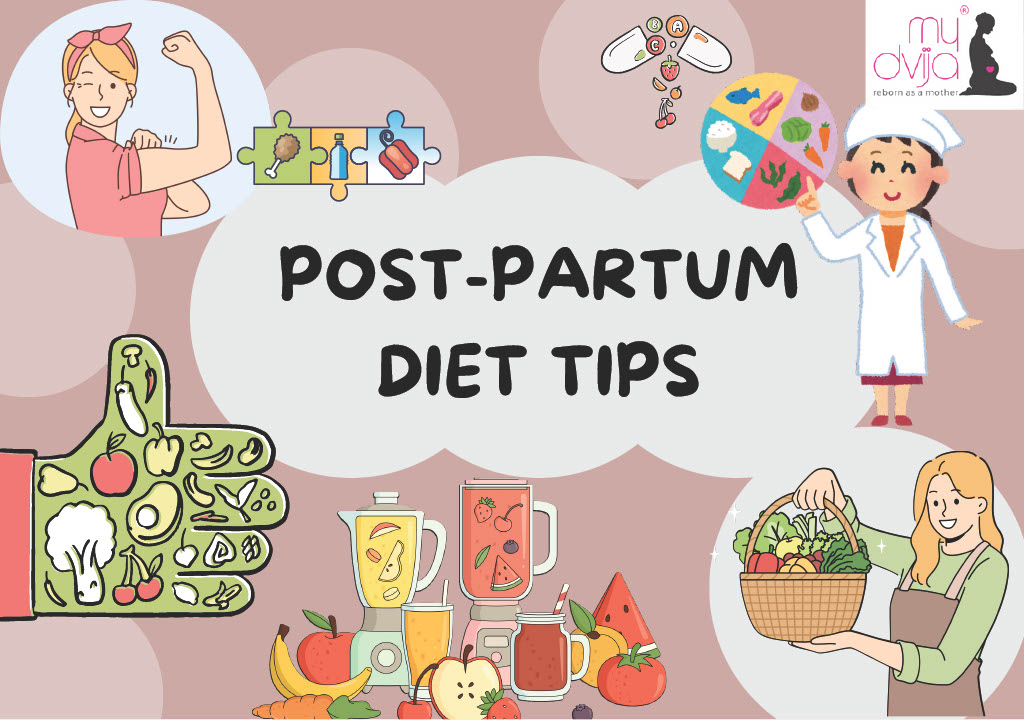
Introduction — Balancing Health in Real Life: –
Life doesn’t politely pause just because you’ve decided to work on your health. The laundry still waits, the toddler still hides your keys, and somehow dinner burns even when you swear, you’re watching it. If you’ve just had a baby, the days might feel like one long blur — short naps, half-drunk tea going cold on the counter, and a body that’s still reminding you what it’s been through. Add work or family responsibilities on top, and you’re already halfway through an endurance event before you even think about exercise or cooking.
The thing is, most health advice seems to assume a perfect life — quiet mornings, hours for the gym, and a fridge full of neatly prepped meals. That’s not how it works for most of us. This guide is written for the real world. For the days when progress means small, steady steps you can actually keep up with. We’ll go through foods that help you heal after birth, ways to work with your body’s rhythms, and fitness myths that deserve to be left behind for good.
Part 1 — Healthy Postpartum Food: Fuel for Recovery
Food That Helps You Heal: –
Pregnancy and childbirth take more out of you than most people realise. Your body’s been through a marathon, and it needs good fuel to repair and rebuild. Whole grains — brown rice, oats, quinoa — are quiet, reliable energy sources. They keep you steady so you’re not crashing just as the baby finally falls asleep.
Healthy fats matter too. Maybe it’s a creamy slice of avocado on toast, a small handful of walnuts grabbed between feeds, or a drizzle of olive oil over a quick salad. They help keep hormones balanced and leave you feeling nourished from the inside out. And don’t underestimate colour. Reds, greens, oranges — the brighter your plate, the more vitamins and minerals you’re getting. Some days, that’s as simple as tossing spinach into a pot of lentil soup and finishing it with a swirl of oil. Comfort and recovery in one bowl.
Mood-Boosting Foods: – Post-birth, your hormones can feel like they have a mind of their own. Food won’t magically fix that, but some choices can help:
Omega-3s from salmon, chia seeds, or walnuts.
Magnesium from leafy greens, pumpkin seeds, or even a bit of dark chocolate.
B vitamins from eggs, dairy, and whole grains.
Balanced meals keep your energy even and help you avoid that sharp crash that often follows a quick sugar hit.
Boosting Milk Supply: – If you’re breastfeeding, what you eat can affect both supply and quality.
Oats in the morning or a pinch of fenugreek in soups and curries.
Almonds and leafy greens for calcium and iron.
Keep a glass of water nearby — herbal teas and light broths count too.
Habits That Can Hold You Back: – Sugary snacks after a sleepless night give you a quick lift but often leave you more drained.
Skipping meals slows recovery and can reduce milk supply.
Too much caffeine can make both you and your baby restless.
A Simple Postpartum Food Approach: –
Gentle cooking methods — steaming, baking, slow-cooking — are easier on digestion.
Build meals around protein for repair, healthy fats for balance, and complex carbs for steady energy.
Treats are fine in moderation, but fresh, unprocessed food will keep your energy more predictable and your recovery smoother.
Part 2 — Women’s Fitness Myths You Can Finally Forget
Myth 1: “Cardio is the only way to lose fat.”
Cardio is great for heart health and mood, but pairing it with strength training creates better long-term change. A balanced, achievable week could be:
Schedule 2–3 strength training sessions with dumbbells, resistance bands, or bodyweight exercises.
Cardio you actually enjoy — a walk in the park, cycling, or swimming.
5–10 minutes of mobility most days.
If long runs leave you feeling wiped, try intervals: one minute faster, one to two minutes slower, repeated 8–10 times. You might finish with more energy than you started.
Myth 2: “My cycle doesn’t affect my training.” It absolutely does — and once you see the pattern, you can plan around it.
Days 1–5 (Menstruation): Energy is lower. Gentle walks, mobility work, light lifting, and plenty of rest set the tone early in the month.
Days 6–13 (Follicular): As your energy rises, push a little harder—lift heavier, explore new movements, or take on fresh challenges. Around Day 14 (Ovulation): You’re at peak power, but your joints may be more flexible than usual, so take time to warm up thoroughly.
Days 15–28 (Luteal): Workouts may feel more demanding—dial back the intensity, focus on yoga, stretching, or light cardio.
Keeping a quick note in your workout log can make these patterns stand out, helping you train in sync with your body.
Myth 3: “You can burn fat from one spot.”
You can’t tell your body exactly where to lose fat — it happens everywhere. Better approach:
Do big moves like squats, lunges, rows, push-ups.
Aim for 7–9k steps most days.
Include 20–30g protein per meal.
Make one small calorie change you can stick with.
Myth 4: “After birth, bounce back fast.”
Recovery isn’t about speed — it’s about rebuilding well.
Weeks 0–2: Slow breathing, reconnecting with your pelvic floor, and short walks if you feel ready.
Weeks 3–6: Light movements like heel slides, glute bridges, bird dogs.
After clearance: Gentle full-body strength work, backing off if you feel pain or heaviness.
Tiny Nutrition Rules with Big Payoff: -
Protein first: Eggs, yogurt, lentils, chicken, tofu, fish.
Fiber always: Add fruit or veg to every meal.
Carbs with a job: More on active days, less before bed.
Healthy fats are friends: Nuts, seeds, olive oil, avocado.
Water before coffee: Your body will thank you.
Quick 30–40 Minute Workout: -
Warm-up (5 min): March in place → hip circles → cat/cow → band pulls.
Strength (20–25 min):
Goblet squat × 8–10
Row × 8–10 (3 rounds)
Romanian deadlift × 8–10
Push-up × 6–10 (3 rounds)
Finisher (5–7 min): Step-ups — 30 sec on, 30 sec rest × 6–8 rounds.
Cool-down (3 min): Give your body some love—stretch, breathe deeply, and
drink water.
Why These Myths Stick Around
Most research is based on men.
Social media loves fast transformations over steady progress.
Diet culture still prizes “smaller” over “stronger.”
The Takeaway: –
Lift a little, often. Keep cardio, but pair it with strength. Let your cycle guide your effort. Train your whole body, and let fat loss happen naturally. And postpartum? Heal first. Push later. Most importantly, keep showing up. Even if it’s just a short walk or a set of squats in the kitchen while the kettle boils. Count the little wins — the extra rep, the better night’s sleep, the feeling of carrying the shopping without stopping. That’s progress. And one day, without even noticing, you’ll realise you’re not “getting back” to where you were… you’ve moved forward to something even stronger.
Balancing recovery, fitness, and nourishment after childbirth isn’t about chasing quick fixes—it’s about rebuilding strength, confidence, and harmony with your body. At MyDvija, we’re here to guide you every step of the way. Explore our expertly designed postpartum wellness courses, personalized meal plans, and natural care products crafted to support new mothers in their journey toward lasting health and vitality. Begin your transformation with MyDvija today—because your well-being deserves mindful care.