
Blog
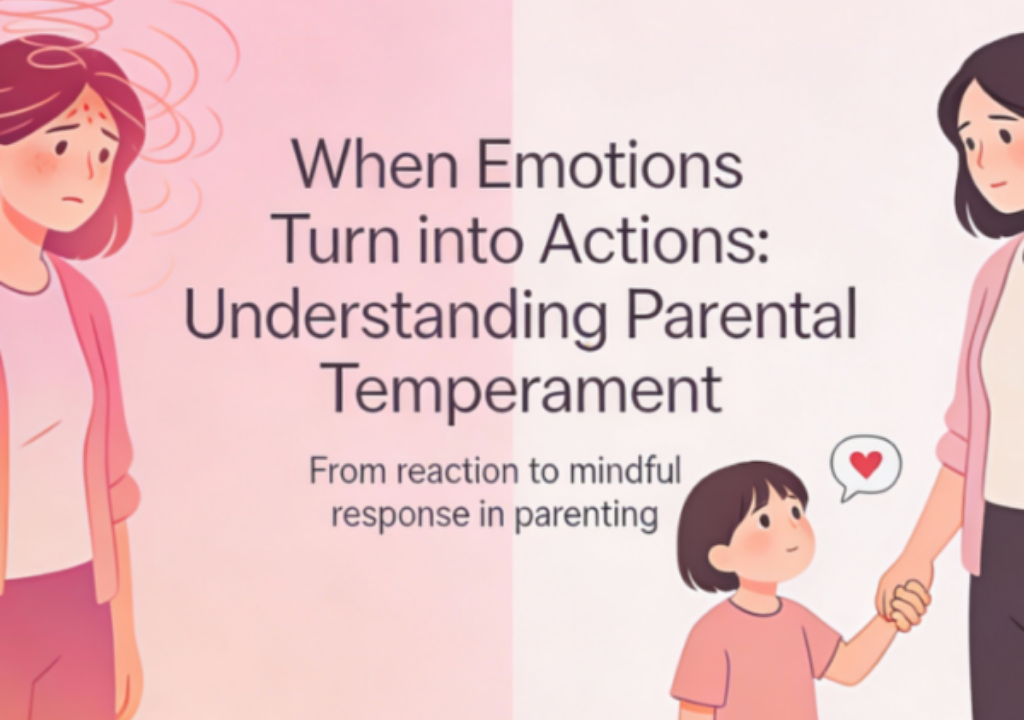
When Emotions Turns into Action

There are moments in life that quietly shake us from within : –
I could feel the pain of that moment. I was in excruciating emotional discomfort, standing on the verge of tears. The emotional fire surrounding the situation was crushing my confidence. I took a deep breath as tears welled up in my eyes, and I stood there frozen— as if someone were being struck right in front of my conscience.
A Reminiscent Moment: –
My family and I were on vacation in Gulmarg, Kashmir. Suddenly, I heard screams, sobs, and thumping. I became worried and walked outside to investigate. A woman was beating her eight-year-old son for getting lost in the crowded station. The child stood there in fear, confusion, concern, and uneasiness all visible on his face. He was gently pleading,
“I also have you in mind. I have no idea how I got lost in the throng.’’
However, the mother was too preoccupied with her own feelings to notice his worry. She continued shouting and hitting him, repeating,
“Are you foolish? Can’t you even grasp my hand correctly?’’
What Was Really Happening?
In that moment, I realized something very important. Rather than reacting to the child’s mistake, the mother was reacting to her own fear, uncertainty, annoyance, and helplessness.
As a counsellor who has interacted with many mothers, one truth stands out clearly:
“I have never seen a mother feel happy or relieved after beating her child.”
This led me to reflect deeply.
Is Beating Intentional—or Is It Temperament?
Is a mother intentionally trying to hurt her child? Or is it her temperament taking control in stressful moments?
What Is Temperament?
Temperament is the natural way a person:
- Acts
- Reacts
- Responds to situations, especially under stress
From a parenting perspective, temperament refers to behavioral tendencies that are not caused by the child’s behavior or early experiences.
Many scientists believe temperament is present from birth and, at times, even genetic.
An Important Truth for Parents
We cannot change our temperament—but we can channelize it into positive behavior and actions. And yes—this is completely doable.
Let’s start by looking at the consequences of beating. What Does Beating a Child Result In?
Beating or harsh punishment often leads to:
- Low self-esteem in the child.
- Deep guilt and regret in the mother.
- Goals not being achieved.
- Rebellious behavior in children.
- Children inheriting aggressive patterns.
- Children hiding things from parents.
- Loss of enthusiasm and confidence.
- Increased uncooperative behavior.
Clearly, violence does not solve problems—it multiplies them.
How Can Parents Channelize Their Emotions Positively?
Here are practical, compassionate ways to respond instead of reacting:
1. Ask the Right Questions: –
Avoid interrogating your child.
Ask questions to understand, not to accuse.
2. Build Confidence: –
Use descriptive and positive appreciation.
Let your child know what they did right.
3. Practice Full Listening: –
Give undivided attention when your child speaks.
Feeling heard reduces fear and resistance.
4. Stop Comparing: –
Every child is unique.
Comparison damages confidence and trust.
5. Be Patient: –
Change does not happen overnight—growth takes time.
6. Be Kind but Firm: –
Kindness does not mean lack of boundaries.
Firmness does not mean harshness.
7. Don’t React to Small Mistakes: –
Keep small things small.
Not every mistake needs correction.
8. Use Logical Consequences: –
Instead of beating, create simple and practical solutions together.
9. Avoid Conflict When Necessary: –
If feelings are building, take a calm step back and say:
“When we are both composed and courteous, we shall speak.”
10. Get kids ready beforehand: –
Beforehand, let them know what is expected of them and the repercussions. Then, proceed calmly.
A Kind Reminder to All Parents
Subtle kinds of violence include shouting, beating, slapping, and even verbal abuse.
Take a moment to consider a family that:
- Deeply in love.
- Respects feelings.
- Openly communicates.
- solves problems in a novel way.
This is a feasible vision.
“Let’s strive for cooperation rather than dominance.
Let us find solutions without violence.’’
When parents choose understanding over anger, they feel calmer, lighter, and happier—and so do their children.
Learn More with MyDvija: –
Parenting situations often trigger deep emotions like fear, frustration, and insecurity. Learning to pause, understand, and respond consciously is a skill—and it can be learned.
To support parents on this journey, Shrreya Shah has created practical, research-based courses and videos that help parents handle emotions calmly and build strong parent–child bonds.
Recommended Video
▶ Emotional Wellbeing of a Mother
A powerful video that helps mothers understand emotional overload, guilt, and reactions—and how to regulate them mindfully.
👉 Explore more on the MyDvija YouTube Channel
https://www.youtube.com/@mydvija
Recommended Courses were you can learn : –
- Post-Delivery Emotional Management (Recorded Course)
https://mydvija.com/product/post-delivery-emotional-management-english/
Helps mothers:
- Understand emotional triggers
- Manage anger, fear, and guilt
- Respond calmly instead of reacting
👉 Ideal for mothers struggling with emotional overwhelm.
- Early Gurukul / Advance Gurukul Programs
https://mydvija.com/product/advance-gurukul-insightful-parenting-with-fun-3yr-9yr/
Age-specific guidance for:
- Emotional development
- Behaviour understanding
- Parent–child communication
👉 For parents who want long-term emotional and behavioural balance.
Takeaway Message: –
Your child does not need a perfect parent. Your child needs a present, emotionally aware, and evolving parent. When we heal our reactions, we protect our children’s hearts—and our own.