
Blog
Emotional Eating: Why We Do It and How to Actually Break the Cycle

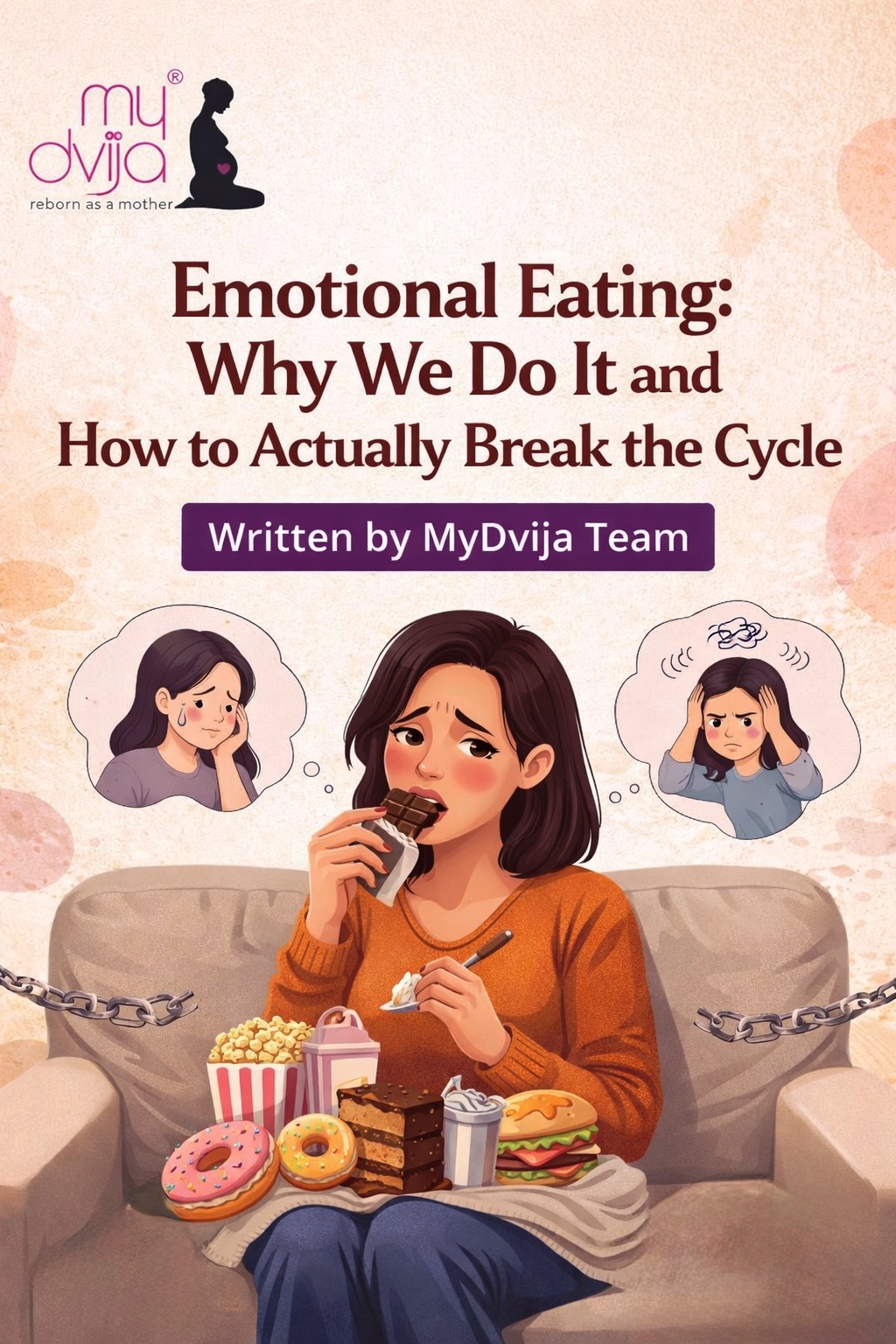
Emotional Eating: Why We Do It and How to Actually Break the Cycle.
You know that moment when you’ve had the worst day ever, and you find yourself elbow-deep in a pint of ice cream at 10 PM? Yeah, we’ve all been there. That’s emotional eating, and if you think you’re the only one doing it, think again. Most of us have used food to cope with feelings at some point, and there’s actually nothing wrong with you for doing it.
Why Do We Turn to Food When We’re Feeling Some Type of Way?
Food isn’t just fuel – it’s comfort, its celebration, it’s nostalgia. Remember how your mom made you soup when you were sick? Or how birthday cake meant happiness? Our brains have been wired since childhood to connect food with emotional experiences, so when life gets rough, we naturally reach for what made us feel better before.
There’s also some real brain chemistry happening here. When you eat something delicious, especially if it’s sweet or fatty, your brain releases dopamine – the feel-good chemical. So, you’re literally getting a natural high from that chocolate bar. No wonder it’s so hard to stop! Your brain remembers that feeling and next time you’re stressed or sad, it whispers “hey, remember how good those cookies made us feel?”
The problem is, we’re not actually dealing with whatever’s bothering us. We’re just covering it up temporarily with food. Twenty minutes later, the stress is still there, but now you’ve also got guilt and regret added to the mix. It’s a crappy cycle. Explore MyDvija’s course and start your training with us today – Nutrition & Diet- new mother (English)
How to Tell If You’re an Emotional Eater: –
Here’s the thing – there’s a difference between enjoying food and using it as a coping mechanism. Ask yourself these questions: Do you eat when you’re not physically hungry? Does food show up right after an argument, bad news, or stressful situation? Are you eating to feel better rather than because your stomach is actually growling?
Physical hunger comes on gradually. Emotional hunger hits you like a truck out of nowhere. Physical hunger can wait a bit; emotional hunger demands immediate satisfaction. And here’s the kicker – physical hunger stops when you’re full, but emotional hunger keeps going because you’re not actually feeding what’s really hungry. Discover MyDvija’s course and enhance your skills with us – Strength Exercises + Diet + Emotional Management – New Mother (English)
Breaking Free Without Losing Your Mind: –
First off, stop beating yourself up about it. Seriously. Shame makes everything worse and usually leads to more emotional eating. You’re human, not a robot programmed to eat perfectly 100% of the time.
Start Paying Attention: –
Before you reach for food, pause for literally 30 seconds. Ask yourself what you’re actually feeling. Are you bored? Anxious? Lonely? Angry? Sometimes just naming the emotion takes away some of its power. Keep a little journal if that helps – write down what happened before you wanted to eat and how you were feeling. Find Other Ways to Feel Better Food can’t be your only coping tool. Build yourself a toolkit of things that actually address your emotions. Feeling stressed? Maybe a quick walk or some deep breathing would help more than chips. Feeling sad? Call a friend or watch something that makes you laugh. Angry? Try punching a pillow or going for a run. The idea is to match the solution to the actual problem.
Don’t Keep Trigger Foods Around: –
I’m not saying never eat your favourite treats, but maybe don’t keep a family-size bag of whatever you binge on sitting in your pantry. If you want it, you can go get it – that little barrier sometimes is enough to make you reconsider.
Actually, Deal with Your Stuff: –
This is the hard part. Whatever’s driving you to emotional eating – whether it’s relationship problems, work stress, past trauma, or just general life overwhelm – you’ve got to address it. Sometimes that means therapy. Sometimes it means making big life changes. Sometimes it’s just learning better stress management.
Be Realistic About Treats: –
You don’t have to give up comfort food forever. The goal isn’t perfection; it’s awareness. Enjoy that slice of cake at a birthday party without guilt. Just don’t let every emotion become a reason to raid the fridge.
Here’s What I Want You to Remember: –
Breaking the emotional eating cycle isn’t about willpower or being “strong enough.” It’s about better understanding who you are and creating healthy coping strategies. Some days you’ll nail it, other days you’ll find yourself stress-eating an entire pizza, and that’s okay. Progress isn’t linear. Be gentle with yourself. You’re learning to feel your feelings instead of eating them, and that’s brave work. It takes patience and effort to change your relationship with food. Food should not be used as a Band-Aid for emotional wounds; rather, it should be used for enjoyment and nourishment. One deliberate decision at a time, you can succeed.
It’s time to choose YOU!
Start your self-care journey with MyDvija’s course. Promise yourself 100 days of commitment, strength, and transformation100 Days Weightloss & Fitness Challenge With Mydvija.