
Blog
Baby’s First Food? Let’s Make It a Yummy Adventure ( With 23+ options and Sample Menu)

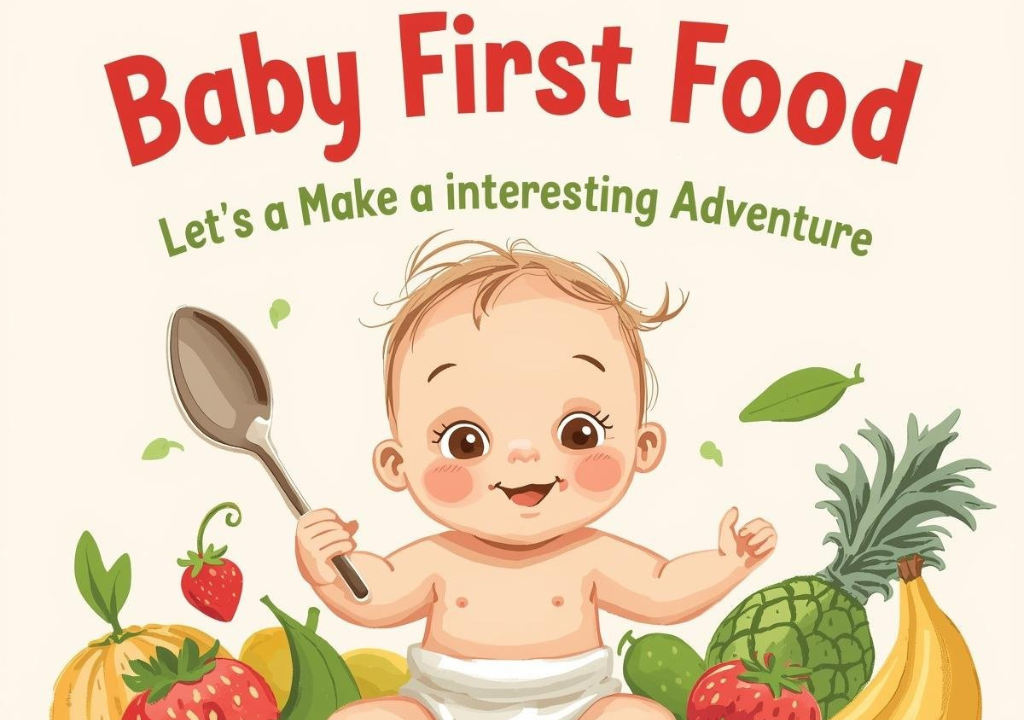
Your little munchkin is growing fast, and before you know it, it’s time to start their solid foods. This is an exciting phase and a huge milestone. Your mind must be filled with so many questions: How do I know my baby is ready? When do I start? What should I give? How do I give?. We’re here to help you with everything you need to know about introducing solids to your baby, including tried-and-true tips and ideas for first foods. So let’s get your baby’s taste buds tingling!
IS YOUR LITTLE FOODIE READY TO MUNCH?
Most experts, like the WHO, recommend exclusive breastfeeding for the first six months. Around 6 months, your baby might show interest that they are ready for solids. Look out for these cues:
●Holding their head up on their own
●Sitting with minimal support
●Showing interest in food (watching you eat, reaching for your plate)
●Loss of the tongue thrust reflex ( food stays in the mouth when offered)
These signs mean your little one is ready to explore a world beyond milk. However, breastmilk or formula continues to be the main source of nutrition until 12 months.
FIRST BITES: WHAT’S ON THE BABY MENU?
Keep things simple, smooth, and single-ingredient. One food at a time helps identify potential
allergies and provides your little one with a gentle start. Here are some all-star options:
Iron-Rich Foods
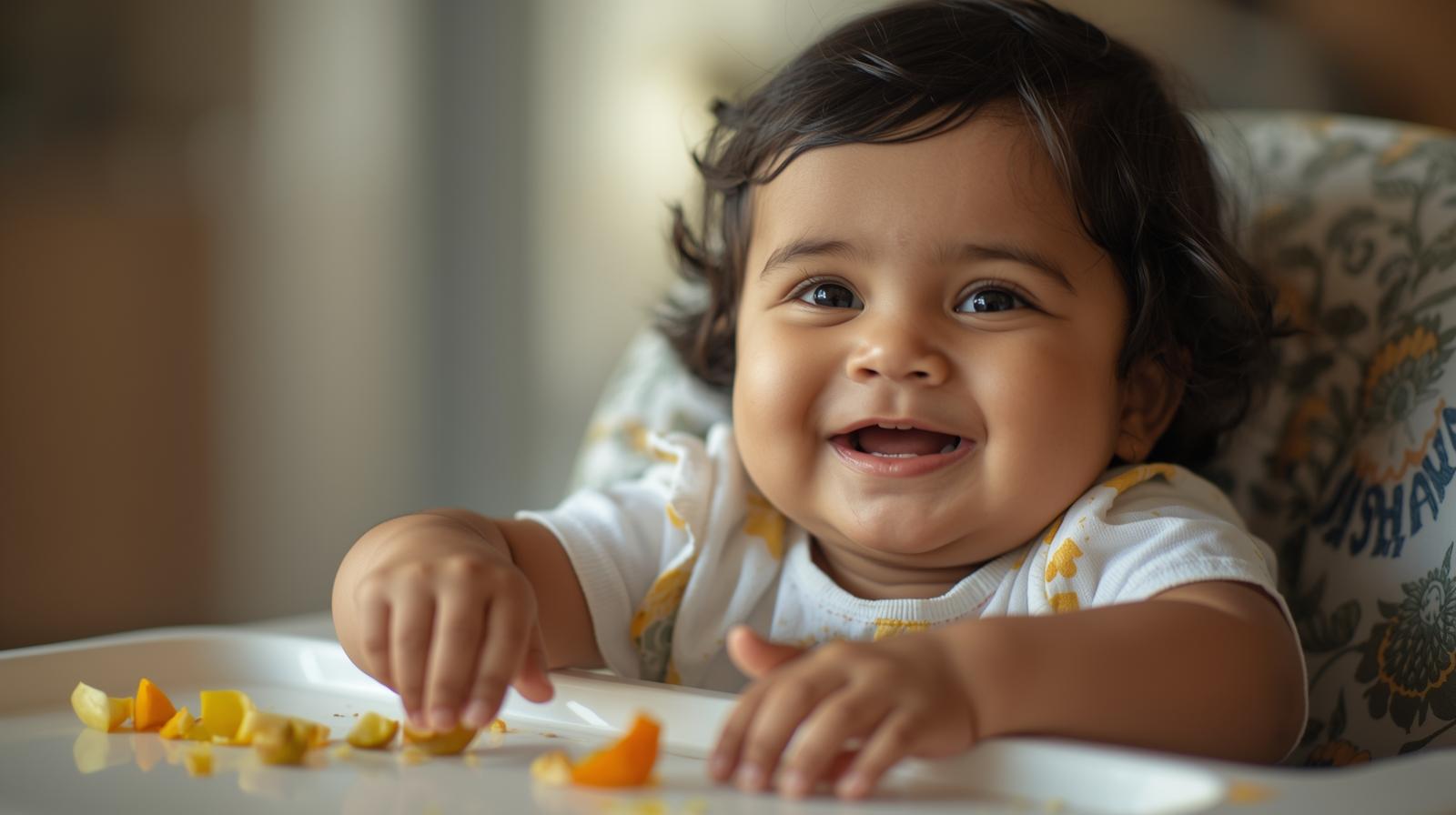
Little munchkins require extra iron from 6 months of age, so try:
Iron-fortified single-grain cereals such as oats, rice, either mixed with breastmilk or formula
1. Malted Ragi (Home-made Nachani Satva)
2. Well-cooked and blended lentils or beans / you can even go for instant mix like ceramax or Satvic mix from mydvija
3. Colored Veggies
4. Start with cooked (Boiled or Steamed), mashed, and smooth veggies:
5. Carrots
6. Peas
7. Pumpkin
8. Sweet potato
9. Spinach
10. Broccoli
11. Fresh Fruits
12. Nutrie Daliya ( A perfect mix of Cereals and protein )
13. Banana
14. Apple (Stewed)
15. Pears (peeled)
16. Avocados
19. mangoes
Other Nutritional Starters:
20. Full-fat yogurt
21. Silky smooth cheese
22. Scrambled eggs (ensure fully cooked)
23. Mashed cooked Meat
HOW TO INTRODUCE NEW FOODS
Here are some stress-free steps and “baby-approved” strategies:
1. Start slow
Begin with a few teaspoons of a single-ingredient offering once a day for three days.
2. Watch for Reactions
Wait for 3-5 days before trying a new ingredient. This helps to identify any food sensitivities and allergies (rashes, vomiting, diarrhea).
Your little one may eat one spoonful or even spit food out the first few times; it is completely normal. Babies need to try food at least 10-12 times before deciding if they like it.
4. Play with Textures
Gradually transition from purees to thicker mash and then to soft finger foods as your baby becomes more comfortable.
5. Be Patient with Mess
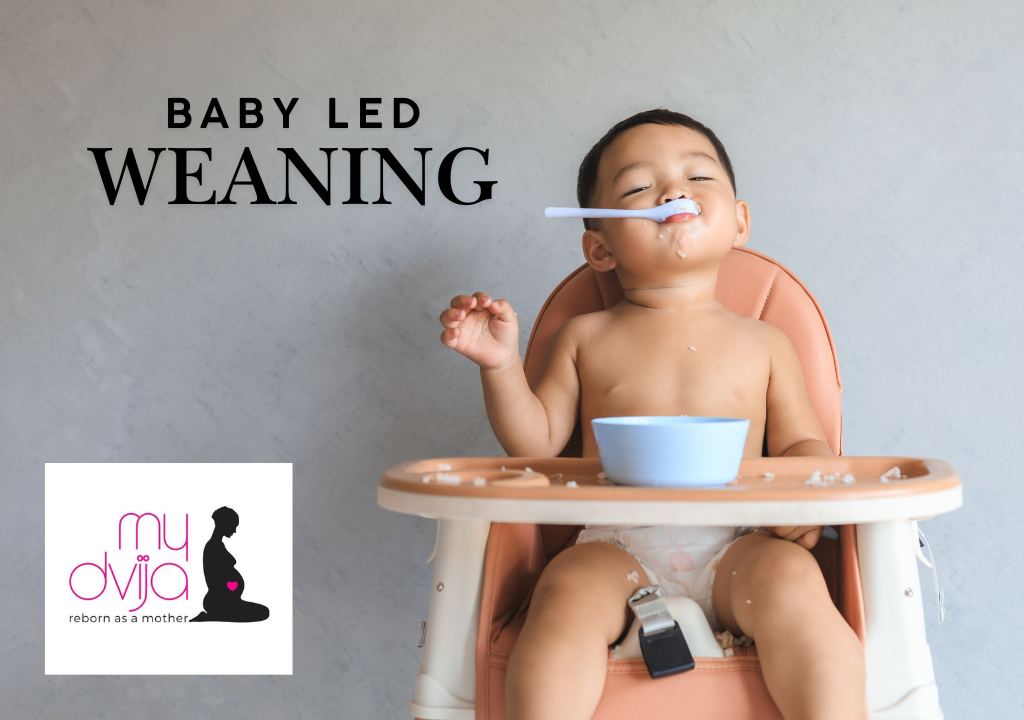
Exploration means mess. Let the baby feel, grab, squish, and smear food all over. This is a feeding skill that makes the whole experience fun and adventurous.
FOODS TO AVOID IN THE BEGINNING
Here are a few things you should hold off on until 12 months of age, even though exploring new flavours is fun.
● Honey, due to the risk of infant botulism.
● Unpasteurized dairy because of potential bacterial contamination.
● Salt or Sugar, as the kidneys are not ready, and no benefits.
● Choking hazards like whole nuts, grapes, and popcorn.
● Cow’s milk as a substitute for breastfeeding or formula milk. Avoid it as it is hard to digest before 12 months of age.
ProTip: Offer food in a safe and appropriate texture. Always supervise your child when they eat.
COMMON QUESTIONS- ANSWERED
What if my baby refuses new foods?
-
- Completely normal! Offer variety. It takes multiple tries for a baby to adapt to taste. Also, don’t pressure; your baby will come around. Aim must be to develop an independent and happy eater.
Can I use homemade or Store-bought Baby foods?– You are in control of the ingredients for homemade purees, while store-bought is a convenient option. Both are fine, as long as there is no sugar, salt, or preservatives added.
Should I introduce allergens early?
-
- Yes, certainly. According to research, introducing allergens like peanuts or eggs after trying iron-rich foods may reduce the risk of allergy development. Better to talk to your pediatrician for guidance about your family’s allergy history.
A BEGINNER’S SAMPLE MENU
In addition to your breast milk or formula feed, here’s what a day would look like if you start solids:-
Morning: Iron-fortified baby rice cereal/ any other traditional porridge
Lunch: Mashed Sweet Potato
Snack: Banana Puree
Dinner: Lentils (Pureed)
Throughout: breastmilk or formula on demand
EXPECT MESSY FACES & HAPPY TUMMIES: TIPS FOR BABY’S FIRST FOOD ADVENTURE
Mealtime is fun time, do not force feed.
● Embrace the mess; it is part of learning.
● Make mealtime a family event; babies learn better by watching you.
● Let your little munchkin play with spoons, bowls, and sometimes food.
● Offer boiled, cooled water in sippy cups once solids start.
RELAX MAMA, IT IS ABOUT LOVE, NOT PERFECTION
This is a wonderful adventure filled with new flavors and textures. This phase is about building a lifelong love for healthy eating. Do not rush, enjoy every mess, the silly faces, and feel free to experiment. Trust your instinct, take it slow, and celebrate every milestone- from first confused taste to big gummy smile. Your baby and their tummy will thank you.