
Blog
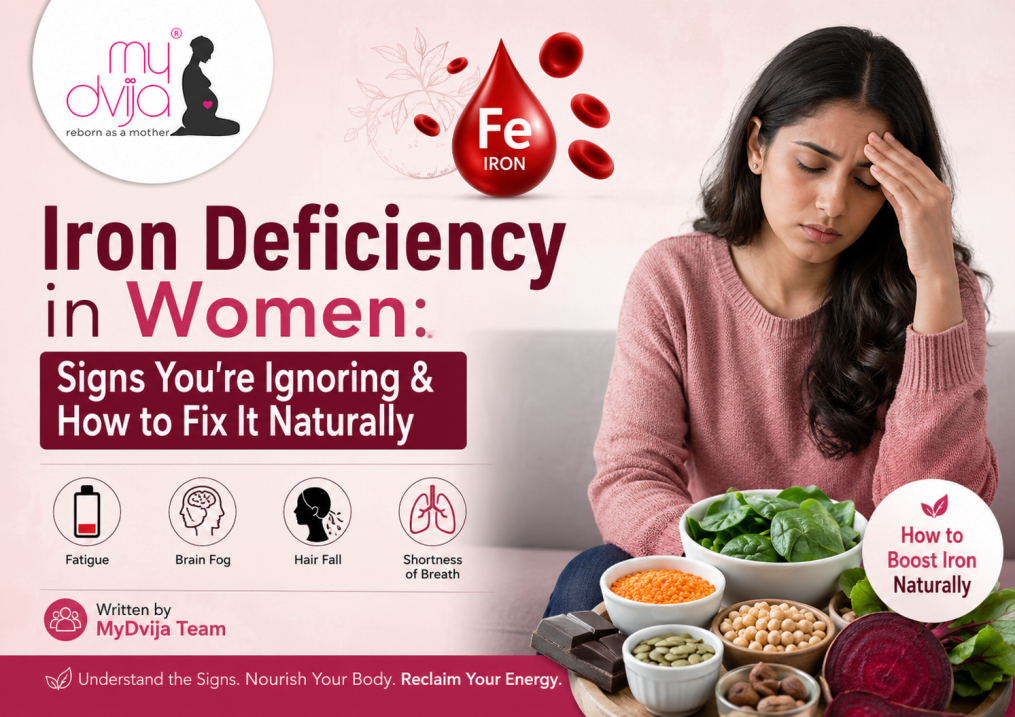
Iron Deficiency in Women: Signs You’re Ignoring & How to Fix It Naturally

Iron Deficiency in Women: Signs You’re Ignoring & How to Fix It Naturally
I thought I was just a tired person.
I had been tired for so long — through university, through my first job, through my pregnancy, through the early months of motherhood — that I assumed it was just how I was built. Some people have energy. Some people are tired. I was tired. I drank an extra cup of chai and got on with it.
Then a blood test at 8 months postpartum showed my ferritin was 6. The reference range starts at 12. My haemoglobin was low enough that my doctor looked at the report, then looked at me, and said “how are you functioning?”
The answer was: barely. I just hadn’t known there was another option.
Iron deficiency is the most common nutritional deficiency in the world. In India, it is an epidemic — affecting over 50% of women of reproductive age and up to 58% of pregnant women according to NFHS-5 data. It is so common that many Indian women have never known what it feels like to have adequate iron. The fatigue, the brain fog, the shortness of breath climbing stairs — these have just been their baseline.
They don’t have to be. Here’s what iron deficiency actually looks like, why Indian women are so vulnerable to it, and what genuinely fixes it.
What Iron Does in Your Body: –
Iron is not just one thing your blood needs. It’s a foundational mineral involved in multiple critical processes:
- Haemoglobin production: iron is the component of haemoglobin that binds and carries oxygen from the lungs to every cell in the body. Without enough iron, red blood cells are smaller and carry less oxygen — which is why iron deficiency anaemia makes you feel breathless and exhausted
- Energy metabolism: iron is required for mitochondrial function — the cellular process that generates ATP (your body’s energy currency). Even without full anaemia, low iron directly impairs energy production at a cellular level
- Brain function: iron is essential for the synthesis of dopamine, serotonin, and norepinephrine — neurotransmitters that regulate mood, concentration, and motivation. Low iron causes low dopamine, which causes the specific combination of fatigue, low mood, and inability to concentrate that many women attribute to anxiety or burnout
- Immune function: iron supports the proliferation and function of immune cells. Chronically low iron means a chronically underperforming immune system
- Hair growth: hair follicles are among the most metabolically active cells in the body and among the first to be rationed when iron is low. Hair fall is often the first visible sign of iron depletion, long before anaemia develops
- Thyroid function: iron is required for the enzyme that converts inactive T4 to active T3 thyroid hormone. This is why women with iron deficiency often have thyroid symptoms — fatigue, cold sensitivity, weight gain — even when their TSH is technically normal
Why Indian Women Are Particularly Vulnerable: –
This isn’t a coincidence or a genetic predisposition. It’s a confluence of several specific factors that disproportionately affect Indian women:
1. Diet — plant-based iron is harder to absorb: –
Iron comes in two forms: haem iron (from meat, poultry, and fish) and non-haem iron (from plants — dal, leafy greens, jaggery, ragi, sesame). Haem iron is absorbed at roughly 20–30% efficiency. Non-haem iron is absorbed at 1–10% depending on what else is in the meal.
India’s predominantly vegetarian diet means most women are depending entirely on non-haem iron, which is inherently less bioavailable. This isn’t a problem unique to vegetarianism — it just means that vegetarian women need to be considerably more deliberate about both iron sources and absorption enhancers than omnivores do.
2. Phytic acid in the staple diet: –
Phytic acid — present in whole grains, legumes, and cereals — binds iron in the gut and prevents absorption. The Indian diet is high in exactly these foods: rotis, rice, dal, rajma, chana. Eaten plain or with other phytic-acid-containing foods, the iron in these meals is substantially blocked before it reaches the bloodstream.
This is why how you eat matters as much as what you eat. A bowl of spinach dal cooked with a squeeze of lemon and eaten with a piece of fruit delivers far more absorbable iron than the same bowl eaten with another phytic-acid-rich food and no vitamin C.
3. Menstruation: –
Every menstrual cycle involves blood loss. Blood loss means iron loss. A woman with regular, average periods loses approximately 30–40 ml of blood per cycle. A woman with heavy periods — very common in PCOS, fibroids, and hypothyroidism — can lose 80 ml or more. Over months and years, if dietary intake doesn’t compensate for this monthly loss, iron stores deplete steadily.
Many Indian women normalise heavy periods without connecting them to their chronic fatigue. Both need to be addressed simultaneously.
4. Pregnancy and breastfeeding: –
Pregnancy requires approximately 1,000 mg of additional iron — nearly double the non-pregnant requirement — to support foetal development, placental growth, and the 50% increase in maternal blood volume. Most Indian women enter pregnancy already iron-depleted from years of inadequate dietary intake and monthly blood loss. They then deplete further through pregnancy and delivery, and continue to have elevated iron needs through breastfeeding.
The NFHS-5 finding that nearly 58% of pregnant Indian women are anaemic is a direct consequence of this cumulative depletion. It’s not normal. It’s a public health crisis that is treated as background noise.
5. Tea with meals: –
This one gets less attention than it deserves. Tea — chai — is consumed by most Indian women multiple times a day, frequently with or immediately after meals. Tea contains tannins, which bind non-haem iron in the gut and reduce absorption by up to 60–70%. A woman who eats spinach dal for lunch and drinks chai immediately after has effectively negated much of the iron from that meal.
The solution isn’t to stop drinking chai — it’s to drink it at least an hour away from iron-containing meals. A small habit change with a meaningful nutritional impact.
6. Calcium and iron compete: –
Calcium and iron are absorbed through the same gut pathway and compete with each other. Eating high-calcium foods (dairy) alongside iron-rich foods reduces iron absorption. Again — not a reason to stop eating dairy, but a reason to think about timing: iron-rich food at lunch, dairy at breakfast or dinner.
Symptoms of Iron Deficiency — Beyond the Obvious Tiredness: –
Fatigue is the headline symptom but it’s not the only one. Many women have iron deficiency for years without realising it because they don’t connect these symptoms to a single cause:
- Persistent fatigue that doesn’t improve with adequate sleep — not tiredness that sleep fixes, but a heavy, dragging exhaustion that is present regardless of rest
- Breathlessness on mild exertion — climbing a single flight of stairs, walking quickly, carrying a baby — that seems disproportionate
- Heart palpitations — the heart working harder to circulate oxygen-depleted blood
- Hair fall — often the earliest visible sign, starting before anaemia is detectable on a standard blood test
- Cold hands and feet — poor peripheral circulation from low red blood cell oxygen-carrying capacity
- Pale inner eyelids and pale nail beds — when you pull down your lower eyelid, the inner surface should be a healthy pink-red. Pallor here is a clinical sign of anaemia
- Brittle, spoon-shaped nails (koilonychia) — a classic sign of severe or longstanding iron deficiency
- Sore or smooth tongue — the tongue loses its normal textured surface
- Difficulty concentrating, poor memory, brain fog — from low dopamine and reduced oxygen to the brain
- Low mood, irritability, or anxiety that doesn’t have an obvious situational cause
- Restless legs syndrome — an uncomfortable urge to move the legs at rest, particularly at night — strongly associated with iron deficiency
- Pica — cravings for non-food substances like clay, chalk, or ice — a well-documented symptom of severe iron deficiency, more common than most doctors acknowledge
- Frequent infections — from impaired immune function
The Blood Tests You Need — and What to Actually Look At: –
This is where many women are missed. A standard haemoglobin test — part of a basic CBC — detects iron deficiency anaemia, but only once iron stores are so depleted that red blood cell production is affected. By that point, you’ve been iron-deficient for months, possibly years.
The test that catches deficiency before anaemia: serum ferritin. Ferritin is the storage form of iron — it depletes first, often long before haemoglobin falls. A ferritin below 30 ng/mL is associated with symptoms even when haemoglobin is technically normal. Many labs report ferritin as “normal” at levels above 12 or 15 — but optimal ferritin for energy, hair growth, and cognitive function is generally considered to be above 50–70 ng/mL.
Ask your doctor for: ferritin, serum iron, TIBC (total iron-binding capacity), and transferrin saturation alongside a CBC. This gives the complete picture. A normal haemoglobin with a ferritin of 8 is iron deficiency — it just hasn’t progressed to full anaemia yet.
What Actually Fixes Iron Deficiency — The Two-Part Answer: –
Iron deficiency requires two things simultaneously: increasing iron intake and improving iron absorption. Doing only one without the other is why many women eat iron-rich diets and remain deficient.
Part 1: Iron-rich foods for Indian women: –
- Sprouted ragi (nachani): one of the best plant-based iron sources in the Indian diet, and absorption improves significantly when sprouted. MyDvija’s Nachani Satva is pre-sprouted, pre-ground, and ready to cook in minutes — the sprouting process reduces phytic acid and doubles bioavailable iron compared to unprocessed ragi
- Moringa (sahjan / drumstick leaves): exceptional iron concentration — weight for weight, moringa leaves contain more iron than spinach. Anti-inflammatory, rich in vitamin C (which enhances its own iron absorption), and easy to add to daily food. MyDvija’s Moringa Powder — 1 teaspoon in warm water, dal, or smoothie daily provides a meaningful iron contribution alongside calcium, magnesium, and vitamin C
- Jaggery: traditional Indian sweetener with a meaningful iron content that refined sugar has zero of. Replacing sugar in chai, sweets, and cooking with MyDvija’s Natural Jaggery Powder adds iron across the day in a form that’s also better for blood sugar than white sugar
- Dates: a concentrated source of iron, fibre, and natural sugars — and a traditional Indian and Ayurvedic remedy specifically prescribed for anaemia. MyDvija’s Dates Syrup is a convenient daily dose of iron from dates without added sugar, appropriate from 6 months for babies and daily for women at any stage
- Halim seeds (garden cress / aliv): extraordinarily iron and calcium rich, traditionally prescribed for postpartum women in Maharashtra and Gujarat specifically to rebuild iron stores. Soak overnight, add to smoothies or warm milk
- Sesame seeds (til): particularly black sesame — high in iron, calcium, and zinc. A tablespoon of til in chutneys, laddoos, or on salads daily
- Rajma, chana, moong, masoor: lentils and legumes are the backbone of the Indian vegetarian diet and all contain significant non-haem iron. The key is preparation — soaking, sprouting, and eating with vitamin C foods
- Dried apricots, raisins, figs: convenient dry fruit sources of iron. Soaking overnight improves digestibility. Good as snacks between meals
Part 2: Absorption — this is where most women lose the benefit: –
- Vitamin C at every iron-containing meal: this is non-negotiable. Vitamin C converts non-haem iron to a more absorbable form and can increase iron absorption by 2–4 times. A squeeze of lemon on dal, an amla in warm water before meals, a small piece of guava alongside a ragi porridge, raw tomato in sabzi — these aren’t health food trends, they’re chemistry that works
- Separate tea and coffee from iron-rich meals by at least an hour: tannins block iron absorption. This is probably the single most impactful habit change for chai-drinking Indian women
- Cook in iron kadhai or cast-iron pan: food cooked in cast iron absorbs trace iron from the pan, particularly acidic foods like tomato-based curries. Traditional Indian cooking in iron vessels wasn’t accidental
- Don’t eat calcium-rich foods (dairy) at the same meal as iron-rich foods: breakfast for dairy, lunch for iron, or vice versa — just not together
- Soak and sprout grains and legumes: reduces phytic acid content significantly, improving the iron that’s actually available from those foods
Iron in Pregnancy and Postpartum — The Most Critical Windows: –
Pregnancy iron requirements nearly double. The foetus draws iron from the mother’s stores regardless of whether the mother has enough — meaning iron deficiency during pregnancy first depletes the mother, and only affects the baby when maternal stores are severely exhausted. The mother pays the price first.
Iron deficiency anaemia during pregnancy is associated with preterm birth, low birth weight, maternal fatigue so severe it affects foetal movement monitoring, higher risk of postpartum haemorrhage, and postpartum depression. These are not mild risks.
Postpartum iron loss from delivery — blood loss during delivery, lochia, and the demands of breastfeeding — on top of pregnancy depletion means many women enter the postpartum period at their lowest iron point ever. The fatigue, the brain fog, the hair fall at 3–4 months postpartum — all of these are compounded significantly by iron deficiency.
MyDvija’s Post Delivery Low Fat Mixture is a blend of 20+ traditional postpartum ingredients — including halim seeds, ragi, jaggery, and dry coconut — formulated specifically to rebuild iron alongside calcium and complete nutrition in the weeks after delivery. It can be taken from one week postpartum and is safe during breastfeeding. It addresses the nutritional gap that the standard postpartum diet — often dominated by khichdi and dal — doesn’t fully cover.
Shatavari and Iron Absorption: –
An often-overlooked connection: shatavari supports the gut environment in ways that improve nutrient absorption, including iron. Its anti-inflammatory effects on the gut lining, its prebiotic properties, and its specific role in supporting the hormonal environment for healthy red blood cell production make it a relevant addition for women managing iron deficiency alongside hormonal imbalance.
MyDvija’s Dvija Natural Shatavari is appropriate through the reproductive years — cycling, pregnant (from 20 weeks), postpartum, and breastfeeding — and works well alongside dietary iron interventions rather than instead of them.
When Food Isn’t Enough — Supplementation: –
For significant iron deficiency — ferritin below 20, haemoglobin below 11, or symptomatic deficiency that isn’t responding to dietary changes — supplementation is usually necessary alongside dietary improvement, not instead of it.
Iron supplements come in several forms:
- Ferrous sulphate: the most common and most studied. Effective but causes constipation and nausea in many women — taking with food reduces side effects but also reduces absorption slightly. Start with alternate-day dosing if daily causes GI issues
- Ferrous bisglycinate (iron chelate): gentler on the gut, better tolerated, and has comparable or better absorption than ferrous sulphate. Worth asking your doctor about if standard supplements cause problems
- Liquid iron: particularly useful during pregnancy when tablets are poorly tolerated
Always take iron supplements with vitamin C (a glass of orange juice, amla water, or a vitamin C tablet) and away from tea, coffee, dairy, and calcium supplements. Never take iron and calcium supplements at the same time — they compete for absorption.
Recheck ferritin 3 months after starting supplementation, not just haemoglobin. Ferritin recovery is slower than haemoglobin recovery and is the true measure of whether stores are rebuilding.
A Practical Daily Plan for Indian Women: –
Morning: –
- Warm water with amla powder or fresh lemon — vitamin C to prime iron absorption for the day
- Breakfast with ragi porridge (Nachani Satva), halim seeds in warm milk, or eggs if non-vegetarian
- ½ teaspoon shatavari in warm milk if managing hormonal imbalance alongside deficiency
- Chai — one hour after breakfast, not with it
Lunch: –
- Dal or rajma or chana as the protein — the iron base of the meal
- Squeeze of lemon over everything
- A small raw salad with tomato or capsicum alongside — vitamin C
- Cook in iron kadhai where possible
- No chai for at least an hour after
Evening: –
- 1 teaspoon moringa powder in warm water or dal
- Dates, dried apricots, or raisins as a snack with a piece of citrus fruit
Daily: –
- Replace refined sugar in tea and cooking with Natural Jaggery Powder
- Use Dates Syrup as a natural iron-rich sweetener in smoothies, porridge, or warm milk
- If postpartum: take the Post-Delivery Low-Fat Mixture as directed
Personal Nutrition Consultation and Fitness Support: –
Understanding what to eat is one thing. Building a plan that actually fits your lifestyle, your cooking habits, your family’s schedule, and your specific deficiency level is another. This is where personal guidance makes a real difference — and MyDvija offers it across several structured programmes:
1. Personalised Diet Consultation for New Mothers: –
MyDvija’s Nutrition and Diet Course for New Mothers is a structured online programme focused on postpartum diet planning — covering personalised meal planning, galactagogues for breastfeeding, managing constipation, rebuilding iron stores after delivery, and addressing the most common nutritional deficiencies in new mothers. It includes sample meal plans you can adapt to your actual kitchen and family preferences — not a generic chart that assumes you have access to foods you’ve never heard of.
2. Safe Postpartum Fitness Training: –
Iron deficiency worsens with inactivity — gentle movement improves iron metabolism, energy production, and circulation significantly. But postpartum exercise done incorrectly causes more harm than good. MyDvija’s Strength Exercises + Diet + Emotional Management Course for New Mothers is a complete recorded programme led by expert instructors — covering safe postpartum strength exercises, understanding physical changes after pregnancy, how to rebuild core function (including diastasis recti rehabilitation), and creating a sustainable personal fitness plan. No gym required. Specifically designed for Indian homes and new mother schedules — exercises that fit in nap windows, require no equipment, and don’t strain a recovering body.
3. 100 Days Weight Loss and Fitness Challenge: –
For mothers at least 3 months postpartum who are ready for a more structured programme, the 100 Days Weight Loss and Fitness Challenge with MyDvija combines nutrition guidance, safe exercise, and 100 days of structured accountability. Iron recovery is built into the nutritional component — rebuilding stores while rebuilding fitness, which is the only sustainable way to do both. Weight loss that happens while the body is iron-replete is also more sustainable and less depleting than weight loss on top of deficiency.
4. The Complete Postpartum Package — Care Club for Mom and Baby: –
The Care Club for Mom and Baby includes postpartum diet and nutrition, safe strength exercises for new moms, postpartum care and recovery (stitches, stretch marks, body recovery), sleep training, weaning support, and 6 months of WhatsApp group access with a nutritionist — the most comprehensive postpartum support programme MyDvija offers. It covers everything from 3 months postpartum through your baby’s third year, and the nutritionist access means you have someone to ask when your ferritin results come back and you’re not sure what to do next.
Get Tested — Then Get Supported: –
If you’ve been tired for longer than you can remember — if you’ve normalised a level of exhaustion that you’d never accept for anyone else in your family — please get a ferritin test. Not just haemoglobin. Ferritin.
For women navigating iron deficiency in the context of pregnancy, postpartum recovery, breastfeeding, or managing alongside PCOS or thyroid issues — a consultation with Shrreya Shah covers nutrition, supplementation, and the specific interactions between iron and the reproductive health picture in a way that a standard GP appointment rarely does.
MyDvja has covered postpartum nutrition, iron recovery, and women’s health on the MyDvija YouTube channel — subscribe for ongoing guidance in Hindi.
Also Worth Reading: –
- PCOS — Symptoms, Causes and What Every Woman Needs to Know
- How to Balance Hormones Naturally
- The Fourth Trimester — What No One Tells You
- Ragi for Babies — When to Start and How to Make
- Essential Supplements for Mothers
- Subscribe to the MyDvija YouTube channel →
- Explore all blogs →
More than half of Indian women are iron deficient. That statistic has been true for decades. It is not inevitable. It is not genetic. It is not just how Indian women are built.
It is a fixable nutritional problem that has been normalised into invisibility — partly because the symptoms look like life, and partly because nobody sat these women down and explained what was actually happening in their blood.
Now you know. Get tested. Eat the ragi. Squeeze the lemon. Drink the chai an hour later. And stop accepting exhaustion as your default setting.